


Choosing where to sleep in Kansai matters more than most first-time visitors expect. With more than 19,000 properties listed across the broader Kinki region on major booking platforms as of mid 2026, and Osaka, Kyoto and Kobe among the busiest places to stay, the real challenge is not finding a room but picking a base that works with your trains, suitcases and sleep needs. This guide focuses on hotels that make Kansai easy: places near major stations, with decent room sizes, family-friendly layouts, luggage storage or forwarding support and straightforward access to Kansai International and Itami airports.
How to Choose a Kansai Base: Stations, Suitcases and Sleep
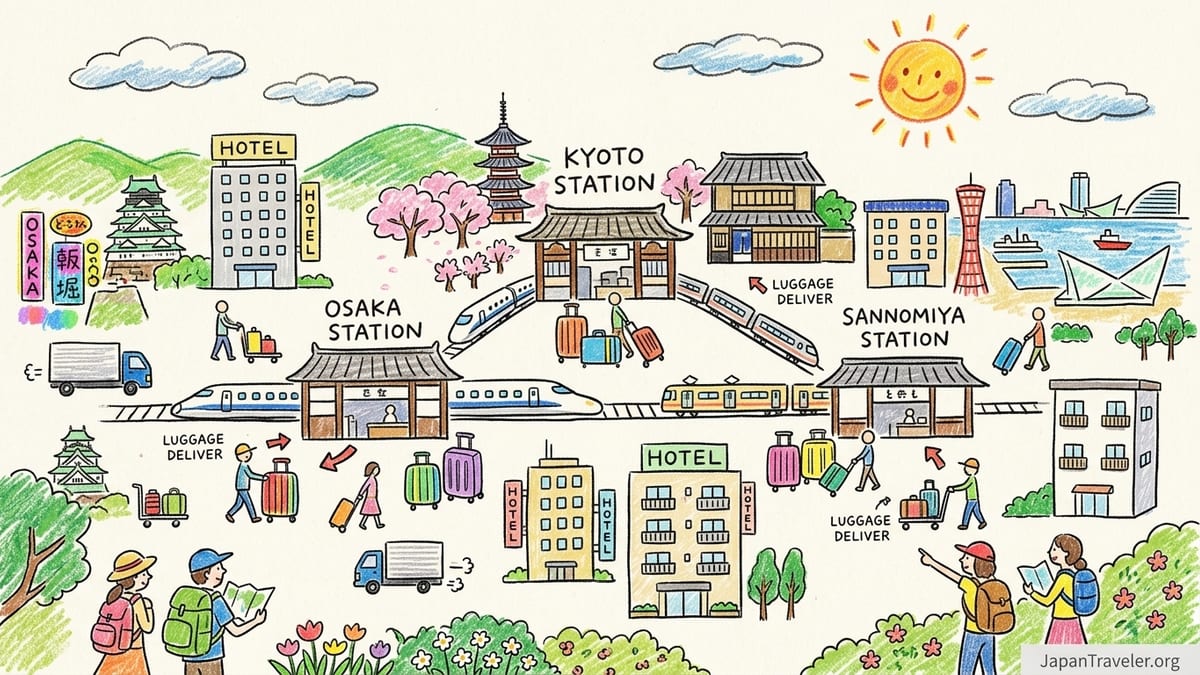
In Kansai, the smartest hotel decisions start with the train map rather than star ratings. Osaka Station, Kyoto Station and Kobe’s Sannomiya cluster are the key interchanges that link the Shinkansen, JR local lines, private railways and airport trains. Staying within a five to ten minute walk of one of these hubs usually saves more time and energy than upgrading from a four-star to a five-star property further away.
Room size and layout matter just as much, especially for families. Standard business hotels in Japan often start around 14 to 18 square meters, which can feel tight for two adults with large suitcases. Newer city hotels and apartment-style properties in Kansai increasingly offer 20 to 30 square meter rooms, bunk-bed family rooms or one-bedroom suites with sofa beds and kitchenettes, which can transform a jet-lagged morning or rainy evening.
Luggage storage and forwarding are another quiet superpower of Kansai hotels. Many Osaka, Kyoto and Kobe properties will hold bags before check-in and after check-out, and a large number can arrange same- or next-day forwarding through courier companies from the front desk. In Kyoto, dedicated counters at and around Kyoto Station deliver suitcases directly to partner hotels across the city for a fee, allowing travelers to explore bag-free and check in later with their luggage already waiting.
Airport connections also shape where it makes sense to sleep. For late arrivals and early departures from Kansai International Airport, hotels on the Nankai and JR airport lines or near hubs such as Namba, Tennoji and Shin-Osaka can be more practical than staying in central Kyoto. Those flying into Osaka Itami Airport often find Umeda and Osaka Station particularly convenient, thanks to frequent limousine buses and direct rail links.
Osaka: Umeda, Namba and Universal City
For most visitors, the Umeda and Osaka Station area is the best all-round base in Kansai. The JR Osaka Station complex is one of the region’s major transport nodes, linking long-distance JR lines, rapid trains to Kyoto and Kobe and direct buses to Kansai International and Itami airports. Inside and above the station you will find large hotels such as Hotel Granvia Osaka and newer openings including The Osaka Station Hotel in the Autograph Collection, built into the redeveloped station building with floors high above the tracks. Both offer direct indoor access to platforms, department stores and food halls, which makes arriving with children or wheeling large suitcases much less stressful.
A short walk from the JR concourse, the Umeda district is dense with business and lifestyle hotels. Properties like Hotel Hankyu Respire Osaka and other mid-range chains sit above or beside shopping complexes, giving guests quick underground access to multiple subway lines. Rooms here tend to start in the high teens in square meters, with some twin rooms and modest family configurations available. These hotels rarely feel luxurious, but they trade on efficient design, coin laundries, reliable Wi-Fi and buffet breakfasts that make early Shinkansen departures simple.
Families who prefer more space often look further south to Namba, where apartment-style hotels and serviced residences cluster around Nankai Osaka Namba Station. Fraser Residence Nankai Osaka is a typical example: one-bedroom and two-bedroom layouts with kitchenettes, washing machines and sofa beds, across the street from the station complex. Travelers report paying mid-range city prices while gaining significantly more square meters than a central business hotel, plus easy walks to Dotonbori and direct trains to Kansai International Airport on the Nankai line.
Universal Studios Japan pulls many families to stay in Universal City, the compact resort area one stop from JR Osaka Station on the Sakurajima Line. Large, theme-focused hotels such as Hotel Keihan Universal Tower and other official USJ properties sit within a few minutes’ walk of the park gates. Some offer themed rooms, oversized family configurations and on-site hot spring baths high above the city, a relief after a long day queuing for rides. The trade-off is that while Universal City is excellent for the park itself, it adds travel time for day trips to Kyoto or Nara.
Kyoto: Station Area, Downtown and Machiya Stays
Kyoto Station is one of Japan’s largest station complexes, combining long-distance and local trains, a bus terminal, a shopping mall and several hotels under one roof. Staying in or just south of the station is the most practical option for travelers who prioritize transport, especially those arriving with heavy luggage or moving frequently. Hotels like Hotel Granvia Kyoto and Hotel Vischio Kyoto place guests within a short indoor walk of Shinkansen platforms and city buses, while still providing full-service comforts and generous breakfast spreads.
The Kyoto Station area also stands out for its integrated luggage services. Dedicated counters and baggage rooms inside the station complex deliver suitcases directly to registered hotels and ryokan across the city when checked in before early afternoon. Conversely, some hotels partner with station-based services to send baggage back to Kyoto Station or even onwards to Kansai International Airport, letting guests spend their last day sightseeing without backtracking to pick up their bags.
Travelers who want more atmosphere often shift a short distance north to central neighborhoods such as Shijo-Kawaramachi, Karasuma and Gion. Here, mid-range hotels like Hotel Forza Kyoto Shijo Kawaramachi balance walkable access to restaurants and riverside evening strolls with decent subway and bus links. Many of these properties are in converted office buildings or purpose-built towers, with 18 to 24 square meter rooms, on-site coin laundry and simple but appealing breakfast buffets featuring local vegetables, rice and miso soup alongside Western options.
An alternative for longer stays or repeat visitors is a traditional machiya townhouse or serviced apartment near the Kamogawa River or quieter areas like Nijo or Higashiyama. These properties can offer entire-house rentals with kitchen and laundry facilities, but often sit 10 to 20 minutes’ walk from the nearest major station. Travelers choosing this style of stay should check in advance whether the property accepts luggage forwarding or can coordinate with courier companies, as some small guesthouses prefer that guests send bags to nearby convenience stores or station counters instead of directly to the house.
Kyoto for Families: Space, Breakfast and Bags
For families, Kyoto Station’s convenience is hard to beat. Hotels such as Glanz Kei Kyoto Station and similar apartment-style properties a short walk from the south exit offer two-bedroom or multi-bed suites with kitchen corners and washing machines. These larger layouts allow four-person groups or those with strollers to spread out, prepare simple breakfasts and pack more slowly, which can be a relief after days of shrines and slopes. Rates in these properties are often comparable to booking two small business hotel rooms, especially outside peak cherry blossom and autumn foliage seasons.
In the mid-range segment, properties like Hotel Vischio Kyoto frequently publish floor plans and room sizes on their websites, with twin and triple rooms often in the low 20s in square meters. Many include thoughtful family touches such as children’s step stools in bathrooms, pajamas in multiple sizes and coin laundry facilities on guest floors. Booking a room one size up from the minimum category, such as a superior twin instead of a standard double, usually yields a noticeable comfort boost for only a moderate nightly price increase.
Kyoto’s luggage infrastructure also strongly benefits families. Station-based services and hotel welcome counters can receive bags sent from Kansai International Airport or from previous cities such as Tokyo or Osaka, then hold them until check-in. Guests typically complete simple forms, pay a per-bag fee and then sightsee unencumbered while their suitcases travel separately. Many hotels additionally allow early drop-off of bags at the front desk on the day of arrival, even hours before official check-in, which pairs well with morning Shinkansen arrivals.
Breakfast is worth paying attention to in Kyoto, because early-opening cafes are less dense than in Osaka or Tokyo, particularly in purely residential districts. Hotels attached to stations and major intersections frequently serve buffet breakfasts from around 6:30 or 7:00 in the morning, mixing Japanese dishes with Western standards. For families heading to Arashiyama or Fushimi Inari before the crowds, choosing a hotel with an early and efficient breakfast can make the difference between a relaxed start and scrambling to find open seating at a small bakery.
Kobe and Secondary Kansai Hubs
Kobe’s main transport focus is the Sannomiya area, where multiple lines operated by JR West, Hankyu, Hanshin, the municipal subway and Port Liner converge. The neighborhood doubles as the city’s primary business and shopping district, with department stores, covered shopping streets and many hotels within a few minutes’ walk of the different Sannomiya exits. For visitors balancing day trips with port views and Kobe beef dinners, Sannomiya makes a logical base.
Mid-range chains such as Toyoko Inn, Comfort Hotel, Sotetsu Fresa Inn and Daiwa Roynet operate several properties around Sannomiya, typically within three to seven minutes’ walk of the JR and private railway stations. Many of these hotels emphasize convenience in their descriptions: short walks from exits, complimentary or reasonably priced breakfast buffets and compact but functional rooms often in the 15 to 20 square meter range. They tend to be popular with domestic business travelers but also work well for couples or small families who value transport over luxury.
For a more resort-like feel within Kobe, waterfront properties such as the large hotel on Meriken Park offer sea views and shuttle buses from Sannomiya Station. These hotels usually provide bigger rooms and a slower pace, at the cost of being a short drive or longer walk from mainline trains. They suit itineraries that lean toward leisurely harbor walks and city sightseeing rather than frequent day trips across Kansai.
Outside the three big cities, several secondary hubs can function as useful bases for specific trips. Near Kansai International Airport itself, tall hotels near the airport rail terminus and on the opposite shore offer convenient overnight stays before early flights. Around Nara, hotels near Kintetsu Nara Station and JR Nara Station make temple visits manageable while still keeping Kansai’s wider network in reach. Travelers focused on outlet shopping or theme parks might consider short stays near Rinku Town or direct railway stops serving those destinations, using luggage forwarding to keep heavy bags moving between longer-stay bases.
Family-Friendly Hotels and Room Types to Target
Across Osaka, Kyoto and Kobe, family-friendly stays are less about kids’ clubs and more about smart layouts and services. In Osaka, apartment-style properties like Fraser Residence Nankai near Namba Station or newer residential-style hotels around Shin-Osaka and Tennoji give families kitchenettes, washing machines and separate sleeping spaces while staying near key train lines. In Kyoto, larger family rooms and suites cluster around the station area and some central neighborhoods, with many newer hotels advertising bunk-bed rooms or connecting options for groups.
When browsing booking sites, travelers should pay close attention to floor area in square meters and bedding descriptions rather than relying purely on labels like “family room” or “triple.” A 24 square meter room with two semi-double beds and a sofa bed can feel far more comfortable than a 16 square meter “triple” where the third bed eliminates most walking space. It is also worth checking age limits for children sharing beds, as many Japanese hotels allow one child under a certain age to stay free per paying adult when using existing bedding.
Facilities within the hotel can also tip the balance for families. On-site coin laundry lets parents pack lighter and avoid hunting for laundromats during already busy days. Microwave ovens in corridors or rooms help with quick snacks and reheating convenience store meals when children are too tired for restaurants. Larger public baths, where available, can give kids a novelty experience while freeing up the room bathroom for others to get ready.
Breakfast remains a key consideration. Many business and mid-range hotels in Kansai include breakfast in higher room categories or offer it as a reasonably priced add-on. Buffets typically present a mix of rice, miso soup, grilled fish, salads, fruit and Western staples like eggs and pastries. Confirming breakfast times and price in advance helps families decide whether to add it to the booking or plan for a nearby bakery or cafe, especially in more residential or office-heavy districts where early-morning options may be limited.
Station-Friendly Hotels and Airport Access
Staying near a major station is one of the simplest ways to reduce friction in a Kansai itinerary. Around JR Osaka Station and the connected Umeda area, hotels directly linked to station buildings or adjacent complexes allow guests to move from Shinkansen platforms or limousine buses to check-in desks without crossing busy streets. This is especially valuable in bad weather or when traveling with children, older relatives or multiple large suitcases.
Shin-Osaka, while less atmospheric than central Osaka, is another practical area to consider for travelers using the Tokaido and Sanyo Shinkansen frequently. The neighborhood holds several mid-range chains and business hotels within a short walk of the station, such as Courtyard Shin-Osaka Station and various Japanese brands that emphasize proximity in their names. These properties trade bustling nightlife and shopping for the ability to step off an early or late bullet train and reach your room within minutes.
For Kansai International Airport, the main decision is whether to sleep at or near the airport, on a direct train line such as the Nankai line to Namba or JR’s line to Tennoji and Osaka, or in central Kyoto with a longer-but-direct airport bus ride. Travelers arriving late at night or departing very early in the morning often choose hotels at the airport station or in nearby coastal districts, accepting that dining choices are limited in exchange for minimal transfer risk. Those with midday flights can comfortably base in Osaka or Kyoto, using frequent trains or airport buses, and rely on luggage forwarding so that suitcases travel separately.
Luggage forwarding services connect well with station-friendly hotels. Many properties near Osaka Station, Kyoto Station and Sannomiya accept forwarded bags on behalf of guests and can also arrange to send luggage onward to the next city or airport. Typical practice is to drop bags at the front desk by mid-morning for same- or next-day delivery, fill out a simple form and pay per piece, then travel hands-free until evening. At the end of a trip, guests can forward suitcases to the airport or final hotel a day or two ahead, carrying only small backpacks to their last sightseeing stops.
The Takeaway
In Kansai, the most satisfying hotel stays usually belong not to the fanciest properties but to the best-located ones. Picking accommodation within walking distance of Osaka Station, Kyoto Station, Sannomiya or other key hubs simplifies almost every part of a trip, from navigating with luggage to catching early trains and late airport buses. Families, in particular, benefit from slightly larger rooms, apartment-style layouts and hotels that offer early luggage drop-off or forwarding, allowing everyone to move more freely between temples, theme parks and city centers.
Rather than chasing the single “best” hotel, travelers are better served by matching neighborhoods, station access and room types to their own plans. Osaka offers lively, well-connected bases in Umeda and Namba, plus themed stays near Universal Studios Japan. Kyoto balances hyper-practical station-area hotels with more atmospheric downtown properties and traditional machiya rentals. Kobe gives access to both a major rail hub and a relaxed waterfront. With thoughtful choices about where to sleep and store your suitcases, Kansai’s dense network of trains and attractions becomes far easier to enjoy.
FAQ
Q1. Is it better to stay in Osaka or Kyoto as a base for exploring Kansai?
It depends on your priorities. Osaka, especially near Osaka Station or Namba, offers better value, more nightlife and easier access to Kansai International Airport. Kyoto is more convenient for early temple visits and traditional sights but tends to be slightly more expensive and busier in peak seasons.
Q2. How close to the station should I try to stay?
Being within a five to ten minute walk of a major hub such as Osaka Station, Kyoto Station or Sannomiya is ideal. Closer stays are especially helpful with kids, large suitcases or in bad weather, and often justify paying a little more per night.
Q3. Are family rooms common in Kansai hotels?
Family rooms exist but are not universal. Larger chains and newer properties near big stations are more likely to offer quad rooms, bunk-bed layouts or suites. It is important to check room size and bedding details carefully rather than relying only on category names.
Q4. Can I forward my luggage between Kansai cities and the airport?
Yes. Courier companies work with many hotels and station counters in Osaka, Kyoto and Kobe to forward bags between cities or to airports for a fee. Most services require that you send bags by late morning for same- or next-day delivery.
Q5. Do station-area hotels cost much more than other locations?
Station-area hotels can be slightly more expensive than properties further away, but the price gap is often smaller than expected. When you factor in saved taxi fares, shorter transfers and easier day trips, staying near a major hub often represents good overall value.
Q6. Are breakfasts at Kansai hotels worth including in the rate?
Often yes, especially in Kyoto or quieter business districts where early-morning cafes are limited. Hotel buffets typically open early and provide a reliable mix of Japanese and Western options, which helps with early departures and hungry children.
Q7. Is it noisy to stay directly above or beside a big station?
Modern station-area hotels are generally well insulated, and higher floors tend to be quiet despite the location. If you are sensitive to noise, request an upper-floor room away from the tracks during booking.
Q8. How far in advance should I book Kansai hotels?
For cherry blossom and autumn foliage seasons, it is wise to reserve three to six months ahead, especially for family rooms near stations. Outside peak periods, a few weeks’ notice usually secures a good range of options at reasonable prices.
Q9. Are machiya townhouses practical for first-time visitors with children?
They can be, if you are comfortable being a little farther from major stations and can manage without daily hotel-style services. Machiya stays offer more space and character but may require more walking and planning around luggage forwarding and groceries.
Q10. Is it worth staying a night at Kansai International Airport before an early flight?
For flights departing very early in the morning, an airport or nearby coastal hotel removes the stress of long pre-dawn transfers. For mid-morning or afternoon flights, staying in Osaka or Kyoto and using trains or airport buses is usually convenient enough.