


Planning a first or second trip to Japan often starts with a long wish list: neon nights in Tokyo, temples in Kyoto, onsen with Mount Fuji views, maybe even beaches in Okinawa or snow in Hokkaido. The challenge is not finding great places. It is deciding which destinations fit your time, interests and comfort level with transport. This guide focuses on Japan’s most popular regions and a few less-visited corners, explaining what each is best for, how long to stay, how to combine them and which types of travelers they suit in real life.
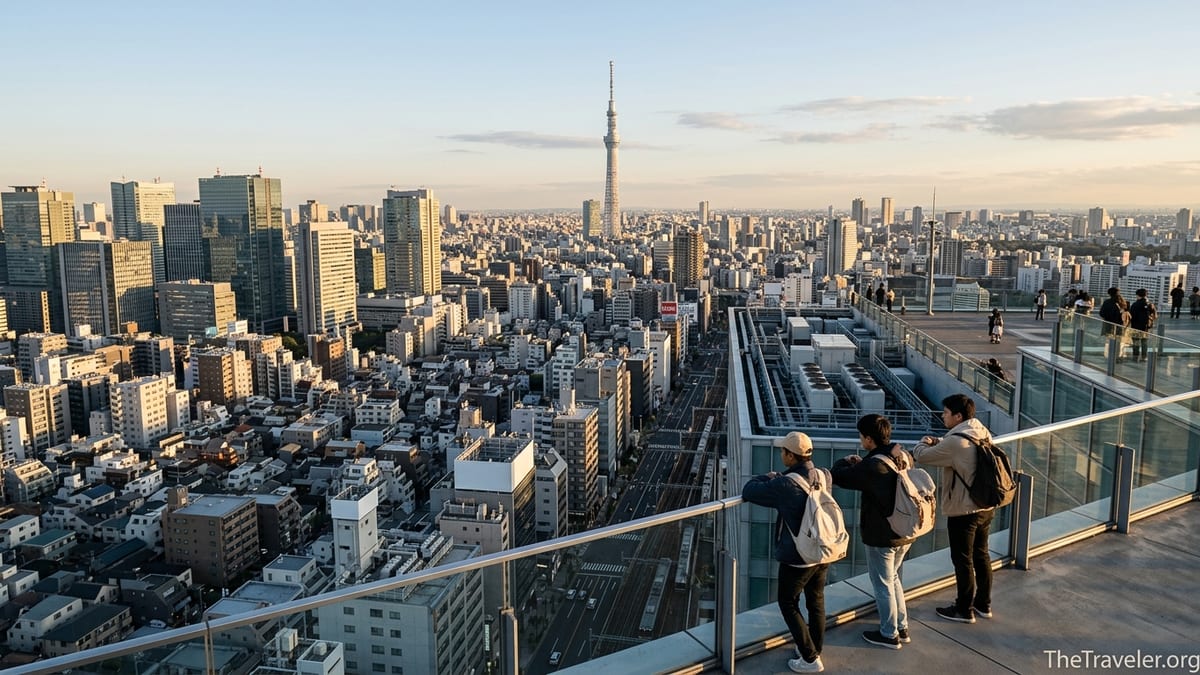
How to Choose Your Japan Route
Most first-time visitors land in Tokyo or Osaka and have between 7 and 14 days. A classic beginner route is Tokyo, Kyoto and Osaka, sometimes with a side trip to Hakone or the Fuji area. For example, a 10-day trip might look like 4 nights in Tokyo, 3 in Kyoto and 2 in Osaka with a day trip to Nara. If you add Hakone for hot springs and Fuji views, you might instead do 3 nights Tokyo, 2 Hakone, 3 Kyoto and 2 Osaka, using the shinkansen to move between regions. This type of route keeps travel legs mostly under three hours by train and avoids complex transfers.
Transport in Japan is reliable, but distances add up. Tokyo to Kyoto by shinkansen is typically around 2 hours 15 minutes from Tokyo Station to Kyoto Station. A Romancecar limited express from Shinjuku to Hakone-Yumoto can be as short as about 60 to 85 minutes depending on the specific service, which makes Hakone one of the easiest nature escapes from Tokyo for first-timers. Many domestic flights, such as Tokyo Haneda to Sapporo in Hokkaido or to Naha in Okinawa, take around 1.5 to 2.5 hours and can be economical if booked in advance or using visitor fares sold by major Japanese airlines.
When weighing destinations, think in terms of themes rather than a long list of cities. Tokyo, Osaka and Fukuoka are strong for food and nightlife. Kyoto, Kanazawa and Takayama shine for traditional streetscapes and culture. Hakone, the Fuji Five Lakes area, Hokkaido and rural Kyushu suit onsen and hiking. Okinawa and the smaller islands are beach and snorkel territory. Matching two or three themes that you truly care about will give you a more satisfying trip than trying to cram in every famous name.
Also consider your comfort with moving luggage and navigating transfers. A couple in their thirties with light backpacks may happily change hotels every two nights. A family with two small children and roller suitcases may prefer to base in Tokyo and Kyoto for four or five nights each and add simple day trips. First-time visitors often underestimate how tiring it can be to change cities too frequently, especially after a long-haul flight and jet lag.
Tokyo: Urban Energy, Neighborhoods and Food
Tokyo is Japan’s biggest entry point and the most versatile base. It combines neon cityscapes in Shinjuku and Shibuya, quieter historical areas like Asakusa and Yanaka, and countless dining options from standing ramen counters near Tokyo Station to Michelin-starred sushi in Ginza. It is easy to spend four or five full days here without repeating neighborhoods. First-time visitors might focus on places like Sensoji Temple, the Shibuya Scramble crossing, Meiji Shrine, and a day exploring Akihabara or Odaiba. Repeat visitors often gravitate toward residential districts such as Shimokitazawa or Kichijoji for more local cafes and secondhand shops.
Tokyo is strongest as a destination for food travelers, shoppers, pop-culture fans and families who want convenient attractions. For example, a family might spend a full day at Tokyo Disney Resort in neighboring Chiba, another at teamLab Planets in Toyosu, then balance that with a relaxed afternoon boat ride on the Sumida River from Asakusa. Food-focused travelers could structure days around specialty areas like Tsukiji Outer Market for fresh seafood bowls, Ueno for yakitori alleys, and Ebisu or Nakameguro for small bistros and craft beer bars.
In terms of connections, Tokyo is the main gateway to Hakone, the Fuji area, Tohoku in the north and onward shinkansen to Kyoto and Osaka. From Tokyo Station, the Tokaido Shinkansen runs west toward Kyoto and Osaka, and the Tohoku Shinkansen heads north toward Sendai and Aomori. From Shinjuku, the Odakyu line’s Romancecar offers a direct, reserved-seat ride to Hakone-Yumoto, while JR lines link easily to the Fuji Five Lakes region via Otsuki. For first-timers, navigating Tokyo’s rail network may feel complex on day one, but station signage is bilingual and staff are used to helping foreign visitors.
Tokyo suits almost every type of traveler. First-time visitors should allocate at least three full days, preferably four or five, to avoid rushing. Repeat visitors might stay three days focused on less-visited neighborhoods. Families appreciate stroller-friendly sidewalks, wide department store food halls and easy access to pharmacies and supermarkets, which helps with jet lag snacks and forgotten items. Food and shopping travelers could comfortably spend a week using Tokyo as a hub for day trips to Nikko, Kamakura or Yokohama.
Kyoto and Osaka: Culture, Temples and Nightlife
Kyoto is the cultural heart of many Japan itineraries. It is known for atmospheric districts such as Gion, where traditional wooden machiya townhouses line narrow streets, and for temples like Kiyomizudera, Fushimi Inari Taisha with its torii gate tunnels, and the golden pavilion at Kinkakuji. The city rewards slower exploration. Three nights is the bare minimum, and four or five allow you to see major sights without rushing and to visit less crowded areas like the Ohara countryside north of the city or the tea fields around Uji.
Kyoto is best suited to cultural trips, couples, photographers and repeat visitors who want depth. For example, a traveler might book an early morning visit to Arashiyama’s bamboo grove before bus tours arrive, then walk up to the quieter Gioji moss temple. In the evening they might attend a small tea ceremony experience near Nishiki Market or join a guided walk that explains local etiquette in geiko and maiko districts. Food in Kyoto leans toward kaiseki, tofu-based dishes, matcha sweets and traditional izakaya rather than late-night street food.
Osaka, just 15 minutes from Kyoto by shinkansen or about 30 minutes by regular train, provides the perfect contrast. It is Japan’s self-proclaimed kitchen, famous for okonomiyaki, takoyaki and kushikatsu. Dotonbori’s neon signs and canal-side promenade are crowded but lively, and areas like Shinsekai or Ura Namba have a more local, slightly rough-around-the-edges feel. Two nights in Osaka lets you sample the food scene, visit Osaka Castle and perhaps spend a day at Universal Studios Japan if you are traveling with children or theme park fans.
The Kyoto-Osaka pair suits first-time visitors, food travelers and families. Many travelers base themselves in Kyoto and day trip to Osaka, especially if their hotel is near Kyoto Station, which has direct trains into Osaka’s Umeda or Namba districts. The main transport challenge is crowding during peak seasons such as cherry blossom in late March to early April or autumn foliage in November, when buses and temples can become very busy. Using early morning starts, off-peak dining times and local trains instead of buses helps reduce stress.
Hakone and the Fuji Area: Onsen and Mountain Scenery
Hakone and the Fuji Five Lakes region are the classic nature add-ons to a Tokyo-based trip. Hakone is a volcanic hot spring area with views of Mount Fuji on clear days, an open-air sculpture museum, ropeways over sulfur vents and many traditional ryokan inns. It is extremely popular with both international and domestic tourists because it is so close to Tokyo. A typical stay is one or two nights, often with a kaiseki dinner and private onsen bath included in the room rate. A midrange ryokan might cost from the equivalent of a few hundred US dollars per person including dinner and breakfast, while simpler guesthouses without meals can be far cheaper.
From central Tokyo, the Odakyu line’s limited express Romancecar offers direct, reserved-seat services from Shinjuku to Hakone-Yumoto in around one to one and a half hours, depending on the train pattern. Travelers who hold a rail pass or prefer JR lines often ride the Tokaido Shinkansen from Tokyo Station to Odawara in roughly 30 to 40 minutes, then transfer to local trains or buses into Hakone. This combination keeps the bullet train for the long part and uses regional transport only at the end. Either option is manageable for first-time visitors, and ticket machines and staffed counters in Tokyo make purchasing straightforward.
The Fuji Five Lakes area, especially towns like Kawaguchiko, offers more direct lake views of Mount Fuji and a quieter, more spread-out atmosphere than Hakone. It suits photographers and nature lovers who want to walk along the lake shore or ride the Kachi Kachi Ropeway for panoramic views. Transport is slightly more complicated. From Shinjuku Station, travelers typically take a limited express train toward Otsuki and then transfer to the Fujikyu Railway, or use highway buses that go directly to Kawaguchiko Station. Because bus seats can sell out during busy seasons, advance reservations are recommended.
Hakone is ideal for first-time and family travelers who want an easy onsen experience and are comfortable with a loop of different transport modes such as buses, ropeways and small mountain trains. The Fuji area suits people who prioritize Fuji views, photography and quieter evenings. One or two nights in either region is usually enough. Hakone combines most logically with Tokyo and then onward by shinkansen to Kyoto or Osaka via Odawara. Fuji Five Lakes also pairs well with Tokyo, but connections from there to Kyoto often require backtracking through Tokyo, so planning is important to avoid losing half a day in transfers.
Kanazawa and Takayama: Traditional Streets and Alpine Villages
Kanazawa sits on the Sea of Japan coast and has a reputation as a mini Kyoto with fewer crowds. Its strengths are well-preserved samurai and geisha districts, Kenrokuen Garden, and a strong seafood scene at Omicho Market. Two nights is a good starting point, giving you one full day for Kenrokuen and the old districts and another for contemporary art or a half-day side trip. For example, some travelers pair a morning in Kenrokuen with an afternoon visiting the 21st Century Museum of Contemporary Art, then dine at a small counter serving local snow crab in winter or nodoguro grilled fish.
Takayama, in the Japanese Alps, offers narrow streets of wooden merchant houses, morning markets along the river and access to nearby villages like Shirakawago with its thatched gassho-zukuri houses. The old town feels particularly atmospheric in the early morning and evening. Two nights here allows for a relaxed full day in town plus a day trip to Shirakawago or nearby onsen towns. Accommodation ranges from small family-run ryokan with shared baths to modern business hotels near the station, often at lower prices than central Kyoto.
Transport between these two cities and the main Tokyo–Kyoto axis requires more planning. A common pattern is to travel from Tokyo to Kanazawa by shinkansen in around 2.5 to 3 hours, spend two nights, then bus to Shirakawago and continue to Takayama, before finally moving on to Nagoya and then Kyoto or Osaka by train. The bus segment between Kanazawa, Shirakawago and Takayama involves reservations and luggage storage, but companies at the bus terminals usually offer coin lockers and luggage forwarding. This loop suits travelers on their second or third trip to Japan, or first-timers who are comfortable with longer journeys and one or two bus rides.
Kanazawa and Takayama are strongest for cultural trips, nature lovers who enjoy mountain scenery and food travelers interested in regional cuisine such as Hida beef and seasonal seafood. Families with older children often enjoy the slower pace and the chance to stay in traditional inns, but families with toddlers may find the extra transfers and bus segments tiring. Combining this region with Tokyo and Kyoto makes sense if you have at least 12 to 14 days, so you can avoid rushing through what should be calm, atmospheric towns.
Hokkaido and Kyushu: Wide Landscapes and Onsen Circuits
Hokkaido, Japan’s northernmost main island, offers wide open spaces, cooler summers and snowy winters. Sapporo is the main city, with a compact downtown, a famous winter snow festival in February and a strong beer and miso ramen culture. Outside Sapporo, destinations like Niseko, Furano, Biei and the Shiretoko Peninsula attract skiers, hikers and wildlife enthusiasts. Many travelers spend three to five nights split between Sapporo and a smaller town, for example three nights in Sapporo and two in a nearby onsen resort like Jozankei or in a ski area in winter.
Hokkaido is best suited to nature lovers, repeat visitors and winter sports travelers rather than short first-time trips, because reaching it usually requires a domestic flight. Flights between Tokyo’s Haneda or Narita airports and New Chitose Airport near Sapporo typically take under two hours, and both full-service and low-cost carriers operate the route. In practice, this means you could land in Tokyo in the morning, connect to Sapporo by midday and be on a ski slope or in an onsen town by late afternoon, but it adds complexity if your overall trip is only seven or eight days.
Kyushu, in the southwest, is known for hot springs, volcanic landscapes and cities like Fukuoka, Nagasaki, Kumamoto and Kagoshima. Many travelers fly into Fukuoka and then ride limited express or shinkansen trains along the island. A popular onsen circuit includes Beppu and Yufuin on the eastern side, or Kurokawa Onsen in the central highlands, where small ryokan cluster along a river. Two to three nights in Fukuoka plus three nights split between one or two onsen towns is a common pattern for an eight or nine day Kyushu-focused trip.
Kyushu is strong for onsen enthusiasts, food travelers and those interested in history beyond the usual Kyoto temples, such as Nagasaki’s role as a port city and its peace park. The island connects to Honshu by shinkansen, so you can in theory travel all the way from Tokyo to Fukuoka by bullet train in a long travel day, but most people either fly or move gradually from Osaka and Hiroshima westward. For first-time visitors with only 10 days, Kyushu is often too far unless you skip Tokyo or Kansai. For repeat visitors or those with three weeks, building a western route of Osaka, Hiroshima, Fukuoka and Kyushu onsen towns can be very rewarding.
Hiroshima, Miyajima and Okinawa: History, Islands and Beaches
Hiroshima is a relatively compact city with a heavy historical weight. Most visitors come for the Peace Memorial Museum and Park, which can easily fill half a day or more when you include the surrounding monuments and time for reflection. The city’s castle, Shukkeien Garden and okonomiyaki restaurants in the downtown area round out a one or two night stay. A common pattern is to stay two nights, dedicating one day to the museum and central Hiroshima and another to Miyajima Island.
Miyajima, reached by local train and short ferry ride from Hiroshima, is known for Itsukushima Shrine’s torii gate in the water and for forested hiking trails up Mount Misen. Many visitors do Miyajima as a day trip, but staying one night on the island or nearby allows you to see the shrine in early morning or evening when day trippers have left. This area is particularly strong for cultural and historical trips and suits both first-time and repeat visitors. It also works well for families with older children who can handle a full day of walking and museum time.
Okinawa, far to the south, offers subtropical beaches, snorkeling and a distinct Ryukyuan culture. Most travelers base in Naha for one or two nights to see Shurijo Castle’s reconstruction site and eat at local markets, then head to resort areas such as Onna, Motobu or the smaller islands. Domestic flights connect Naha with major Japanese cities; for example, Tokyo to Naha is roughly a 2.5 to 3 hour flight, and there are also frequent flights from Osaka and Fukuoka. On the ground, renting a car is often the most practical way to reach beaches and smaller guesthouses, since buses can be infrequent outside the main urban corridor.
Hiroshima and Miyajima combine naturally with Osaka and Kyoto on a first or second trip, since the shinkansen connects them along the same corridor. A 12-day route might look like Tokyo, Hakone, Kyoto, Hiroshima and Osaka. Okinawa is better suited to travelers who want a beach segment or who are visiting Japan in winter and prefer warmer weather at the end of their trip. Because a side trip to Okinawa adds at least two flight legs and the need to check luggage, it makes the most sense on longer itineraries of at least two weeks, or for repeat visitors who want to focus on islands and spend less time in the big cities.
Less-Visited Regions and Who They Suit
Beyond the major names, several regions work well for travelers looking for more space and fewer tour buses. Tohoku, north of Tokyo, has onsen towns like Ginzan Onsen and small cities such as Sendai and Aomori. It is particularly appealing in winter for snow scenery and in summer for cooler temperatures. Shikoku offers pilgrimage routes, the Iya Valley’s vine bridges and seaside towns, while the Sanin coast on the Sea of Japan side includes quieter cities like Matsue and Tottori with sand dunes and castle ruins. These areas require more time and flexibility, but reward those who have already seen the main circuit.
In practice, less-visited regions are best for repeat visitors, hikers, hot spring enthusiasts and slow travelers who are comfortable reading train timetables, using local buses and occasionally renting cars. For example, a second-time visitor might fly into Osaka, spend a few days in the city, then ride trains to the Iya Valley for a two-night stay at a remote ryokan and finish with time in Takamatsu on Shikoku’s north coast. Another might head north from Tokyo on the shinkansen to Morioka, then use local lines and buses to reach rural onsen towns over several days.
Transport difficulty tends to rise as you move away from the Tokaido Shinkansen corridor between Tokyo and Osaka. In major hubs like Tokyo, Osaka, Kyoto and Hiroshima, signage is bilingual and staff often speak some English. In smaller towns, printed timetables may be in Japanese only and buses can run only a few times per day. Using an IC card for local trains where available, carrying cash for rural buses and having key place names saved in Japanese characters on your phone all help. Some rural ryokan will arrange shuttle pickups from the nearest station if notified in advance, which can simplify connections.
For first-time visitors, dipping a toe into these regions with a single side trip, such as a night in a Tohoku onsen reachable by shinkansen or a day trip to Nikko from Tokyo, can be a good compromise. Repeat visitors with more time can structure entire trips around one island or region, for example spending 10 days only in Shikoku or only in Tohoku, trading famous sights for local festivals, fishing ports and quieter hot springs.
The Takeaway
Japan rewards both first-time highlights trips and slow, repeat exploration. Tokyo, Kyoto and Osaka create a reliable backbone for most itineraries, offering a mix of city energy, historic districts and food. Hakone and the Fuji area add accessible onsen and mountain scenery. Hiroshima, Miyajima, Kanazawa and Takayama deepen the cultural and historical side, while Hokkaido, Kyushu, Okinawa and rural regions provide space, nature and more distinct local flavors.
When choosing where to go, start with your non-negotiables. If you care most about temples and traditional streets, spend more time in Kyoto, Kanazawa and Takayama. If food and nightlife are central, emphasize Tokyo and Osaka and perhaps Fukuoka. For onsen and landscapes, combine Hakone, the Fuji area and an onsen-focused region such as parts of Kyushu or Tohoku. Decide how many times you are willing to move hotels, and sketch routes that keep travel legs mostly under three hours, reserving the occasional longer flight or train for a major shift like Tokyo to Hokkaido or Okinawa.
Finally, build in buffer time. A three-week route might comfortably include Tokyo, Hakone, Kyoto, Osaka, Hiroshima, Miyajima and either Hokkaido or Okinawa with rest days after longer transfers. A 10-day first trip might focus on Tokyo, Hakone and Kyoto–Osaka only. Leaving destinations for a future visit is not a compromise; it is an investment in a calmer, more enjoyable journey that lets you connect with places beyond a checklist of names.
FAQ
Q1. How many days do I need for a first trip to Japan?
For a balanced first visit that includes Tokyo and Kyoto plus one extra region like Hakone or Hiroshima, around 10 to 14 days works well without rushing.
Q2. Is Tokyo or Kyoto better as a base for first-time visitors?
Tokyo is better for varied neighborhoods, food and day trips, while Kyoto is stronger for temples and traditional streets. Many travelers split time between both rather than choosing only one.
Q3. Should I visit Hakone or the Fuji Five Lakes area for Mount Fuji views?
Hakone is easier to reach and better for onsen and varied transport, while Fuji Five Lakes usually offers more direct lake-and-mountain views and quieter evenings.
Q4. Is Hiroshima suitable for children and families?
Hiroshima is emotionally heavy but many families visit with older children, combining the Peace Memorial Museum with time in Miyajima and lighter activities like the city’s castle and gardens.
Q5. Do I need to rent a car in Japan?
In major destinations like Tokyo, Kyoto, Osaka, Hiroshima and Hakone, public transport is enough. Cars become useful in rural regions, Okinawa and parts of Hokkaido or Kyushu.
Q6. Is Hokkaido worth it on a short itinerary?
Hokkaido is most worthwhile if you have at least five extra days and a specific goal such as skiing or summer hiking. Otherwise it can feel rushed alongside Tokyo and Kyoto.
Q7. How early should I book trains and domestic flights?
Reserved shinkansen seats and Romancecar tickets can usually be booked a month in advance, while domestic flights often have the best fares when booked several weeks or more ahead.
Q8. Are ryokan stays suitable for first-time visitors?
Yes. Many first-timers enjoy spending one or two nights in a ryokan in Hakone, Takayama or an onsen town, experiencing kaiseki dinners and shared or private baths.
Q9. Is Okinawa a good choice for a winter trip to Japan?
Okinawa is popular in winter with visitors who want milder weather and beaches, though it may still be too cool for comfortable swimming compared with tropical destinations.
Q10. How many destinations should I include in a 10-day trip?
For around 10 days, focusing on three main bases, such as Tokyo, Kyoto and either Hakone or Hiroshima, usually gives a better experience than trying to fit in five or six cities.