


Planning a first trip to Japan is exciting, but the sheer number of regions, rail passes, and famous sights can make it difficult to turn a wish list into a realistic route. This guide focuses on how Japan actually works on the ground: how the rail system, seasons, regional differences, money, luggage and reservations shape a smart itinerary, and how to combine Tokyo, Kyoto, Osaka, Mount Fuji, Hiroshima, Hokkaido, Kyushu, Okinawa and other regions without turning your holiday into a blur of train rides.
Understanding Japan’s Geography and Typical First-Time Routes
Japan stretches from subarctic Hokkaido in the north to subtropical Okinawa in the south, and distances are greater than they look on a map. Tokyo to Kyoto is roughly a 2.5-hour bullet train ride, while Tokyo to Hakodate in southern Hokkaido can take 4 to 5 hours by train even on fast services. This matters because trying to cover Tokyo, Kyoto, Osaka, Hiroshima, Hokkaido and Okinawa in 10 to 12 days usually means you spend more time changing hotels and trains than experiencing any one place in depth.
Most first-time visitors focus on the broad region between Tokyo and Hiroshima, where the majority of famous sights cluster along the main Tokaido and Sanyo Shinkansen lines. A classic 10 to 14 day trip might include several nights in Tokyo, a stay in the Fuji or Hakone area, a few nights split between Kyoto and Osaka in the Kansai region, and a side trip to Hiroshima and Miyajima. This route is efficient because every leg is a straightforward train ride on the same high-speed corridor, with frequent departures from early morning to late evening.
Other regions are best viewed as add-ons rather than must-see stops on the same itinerary. Hokkaido pairs naturally with Tokyo and the northern Tohoku region for a winter ski or summer hiking trip, while Kyushu, Shikoku and the Setouchi islands make a coherent route in the west. Okinawa, which requires a flight from the main islands, tends to work better as a short beach break before or after touring the cities rather than as a quick two-day detour in the middle of a tightly timed schedule.
For a first trip of 7 to 10 days, most travelers are happiest choosing one primary region plus a nearby secondary area. For example, Tokyo with Hakone and Kawaguchiko for Mount Fuji views, or Kyoto and Osaka with a day in Nara and perhaps Himeji. Once the overall shape of the route is fixed, the rail choices, accommodation styles and even how much luggage you carry become much easier to manage.
Japan’s Rail System and How It Shapes Your Itinerary
Japan’s rail network is dense, punctual and easy to use, but it is also fragmented between the nationwide Japan Railways (JR) companies and local private railways. High-speed Shinkansen trains cover long distances quickly, while regional and private lines handle local connections and access to popular areas such as Hakone and Nikko. For instance, you might ride a JR Shinkansen from Tokyo to Odawara, then transfer to private lines or buses to reach hot spring towns such as Hakone-Yumoto or Gora. Planning your route means understanding how many transfers and different operators your days will involve.
On the main Tokyo–Kyoto–Osaka–Hiroshima axis, Shinkansen trains run so frequently that advance planning mainly involves choosing departure times and deciding whether to reserve seats. On a typical weekday, there can be three fast Nozomi services per hour between Tokyo and Shin-Osaka during the day. Reserved seats cost only a little more than unreserved options on many routes, and in busy seasons such as late March and early April it is common for visitors to book tickets a few days in advance to avoid standing in crowded cars with luggage.
The national Japan Rail Pass, once a default recommendation, has become more of a case-by-case decision since price increases and the rise of regional passes. Many first-timers now find that point-to-point Shinkansen tickets plus one or two regional passes provide better value. For example, a traveler basing in Osaka and exploring only within Kansai might buy a Kansai Area Pass or similar ticket, while another focusing on Kyushu could choose a Kyushu rail pass rather than covering the whole country. A practical approach is to sketch your exact train legs, look up typical Shinkansen fares, and compare the total with relevant passes before you commit.
Where the rail system truly shapes planning is in how many hotel changes make sense. Because Shinkansen rides between major cities are often under three hours, many travelers choose to base for several nights in Tokyo and several in Kyoto or Osaka, using fast day trips to reach places like Nikko, Nara or Himeji instead of constantly checking in and out. This reduces the mental load of navigating multiple transfer points with bags and makes it easier to absorb the cities at a human pace.
Regional Characters: Tokyo, Kansai, Fuji, Hiroshima, Hokkaido, Kyushu and Okinawa
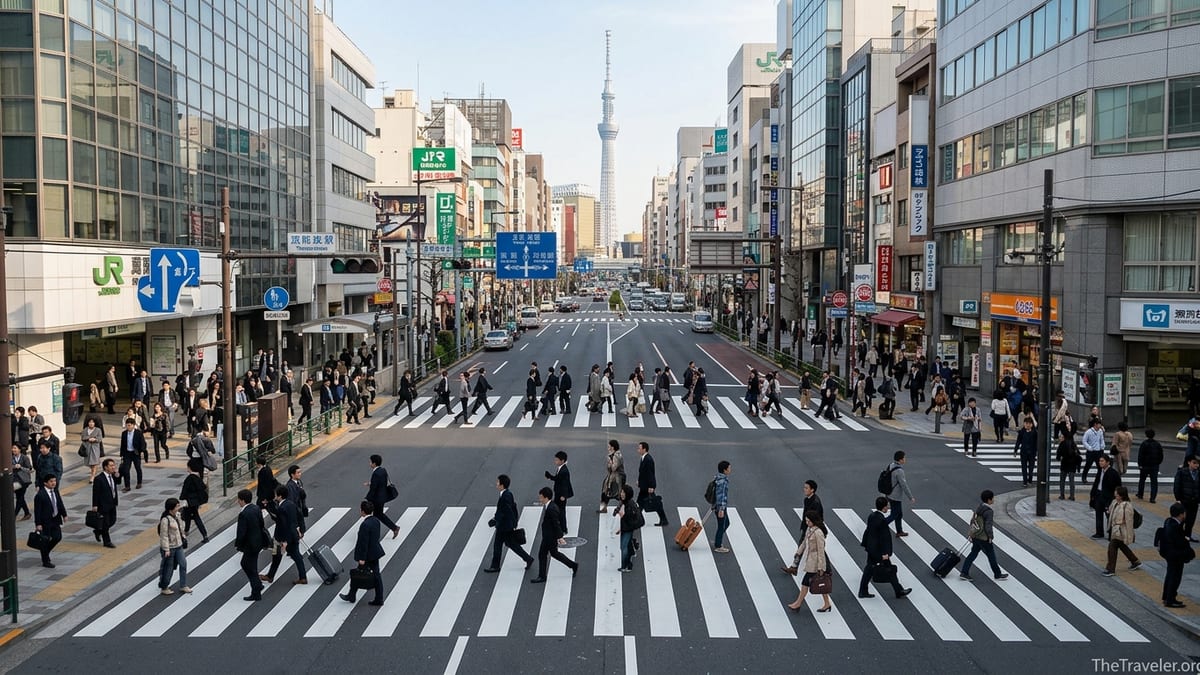
Tokyo and the surrounding Kanto region offer the most intense introduction to modern Japan: packed train stations such as Shinjuku and Shibuya, high-rise neighborhoods, and quieter historic pockets in Asakusa and Yanaka. A typical first-timer might spend one morning in the traditional atmosphere of Sensoji Temple, another evening around the neon of Shibuya Crossing, and still have time for a day trip to seaside Kamakura or the mountain shrines of Nikko. This concentration of contrasts in a single metropolitan area makes Tokyo an efficient base at the start or end of a trip.
In the Kansai region, Kyoto, Osaka and Nara showcase a different side of Japan. Kyoto stands out for temples, gardens and geisha districts, while Osaka is known for casual food and nightlife, and Nara for open parkland and historic temples. Staying three or four nights in Kyoto or Osaka allows you to ride local JR and private lines between these cities in 30 to 45 minutes. Many visitors choose Kyoto for a quieter base, taking evening trains to Osaka for street food in Dotonbori, or the reverse if they prefer a livelier urban atmosphere with day trips to Kyoto’s temples.
The Mount Fuji and Hakone areas are often squeezed into day trips from Tokyo, but staying one or two nights tends to be more relaxing. For example, a visitor might travel from Tokyo to Kawaguchiko around midday, photograph Mount Fuji from the lakeside in the afternoon, soak in a hot spring in the evening and return to Tokyo the next day. This pacing allows for the reality that clouds can cover Fuji for hours, and it keeps you from racing to catch the last bus back to the city after sunset.
Further afield, Hiroshima and nearby Miyajima provide a sobering and beautiful counterpoint to Japan’s big cities. The Peace Memorial Museum, the Atomic Bomb Dome and the island shrine with its coastal torii gate can comfortably fill two days. Hokkaido, by contrast, is about landscapes: ski resorts such as Niseko in winter, lavender fields and hiking around Furano and Biei in summer, and seafood markets in cities like Sapporo and Hakodate. Kyushu blends hot spring towns such as Beppu and Yufuin with volcanic scenery around Aso and coastal cities like Nagasaki. Okinawa adds coral beaches, subtropical forests and a slower, island pace that works best when you give it at least three or four nights.
Seasons, Weather and Crowd Patterns
Japan’s four seasons are pronounced, and timing can dramatically change the mood and logistics of a trip. Spring is famous for cherry blossoms, which generally reach Tokyo, Kyoto and Osaka in late March to early April, while blooming as early as January in Okinawa and as late as May in Hokkaido. In practice, this means a traveler aiming for classic city blossom scenes might target the last week of March or first week of April for central Japan, but someone focused on Hokkaido’s parks could reasonably plan for late April or early May instead.
Summer brings heat and humidity to most of Honshu, especially in Tokyo, Kyoto and Osaka, where daytime temperatures can feel oppressive for all-day temple or city walks. However, the same months are prime time in Hokkaido, where cooler air makes hiking and cycling far more pleasant. June and early July are typically the main rainy season over much of the country, with heavier showers and more overcast days, though Okinawa’s wetter period often begins and ends earlier than the main islands. Travelers with flexible dates sometimes choose May or late October for more stable conditions and thinner crowds.
Autumn is popular for foliage, particularly in Kyoto temples, Nikko and the Japanese Alps. Peak color in many central regions often falls around November, but exact timing shifts year by year with the weather, so many repeat visitors decide their final dates closer to departure. Winter, meanwhile, is excellent for hot springs and snow sports. A January or February route might combine a few days of skiing in Nagano or Hokkaido with city stays in Tokyo or Osaka, accepting colder temperatures in exchange for clear skies and fewer crowds at some temples and museums.
Seasonality also affects practical bookings and budget. Hotels in Kyoto during peak blossom or foliage periods can charge higher rates and fill up months ahead, while weekday stays in business districts at quieter times are often significantly cheaper. Popular trains, such as morning Shinkansen services leaving Tokyo at the start of a long weekend or holiday period, can sell out of reserved seats, making advance seat reservations and slightly off-peak departure times sensible tools for a smoother experience.
Accommodation Styles and How to Use Them Effectively
Japan offers a mix of accommodation styles, each fitting different parts of a trip. Modern city hotels around major stations provide the most convenience when you are frequently taking trains or returning late at night. For example, many first-timers in Tokyo choose hotels a few minutes’ walk from stations such as Shinjuku, Tokyo, Shibuya or Ueno, so that they can reach the Yamanote Line and airport connections easily. Rooms can be compact, especially in budget and mid-range properties, but the combination of clean facilities and immediate rail access often outweighs the trade-off in space.
Ryokan, or traditional inns, are usually better experienced for one or two nights in smaller towns or hot spring areas rather than every night of a city-focused itinerary. Staying in a Hakone ryokan with tatami rooms, futon bedding and on-site hot spring baths often includes multi-course kaiseki-style dinners and Japanese breakfasts served in your room or dining hall. Because these meals are substantial, many travelers plan a ryokan stay on a night when they are not trying to explore late-night city neighborhoods. The immersive experience can be a highlight, but it is more expensive than typical business hotels, so first-time visitors often select one or two special ryokan nights in places like Hakone, Kawaguchiko or Kinosaki Onsen.
Hostels and guesthouses provide budget options and a social atmosphere, particularly in districts popular with overseas visitors such as Asakusa in Tokyo or near Kyoto Station. Rooms range from dormitory bunks with shared bathrooms to simple private rooms. For small groups or families, short-term rental apartments and apart-hotels with kitchenettes can make longer stays in one city more economical and comfortable, especially if you plan to do laundry and eat some breakfasts at home. The key is to avoid changing accommodation every single night. A more sustainable pattern might be four nights in Tokyo, two in Hakone or Fuji, and four in Kyoto or Osaka, rather than a string of one-night stays all across the country.
Because check-in times are often in the mid-afternoon, a practical technique is to plan arrival in a new city around lunchtime, drop bags at the hotel for storage, and explore the area before formally checking in. This works particularly well when you are using luggage forwarding services so that you only carry a daypack onto trains, allowing you to walk comfortably from the station to your lodging even in busy districts.
Money, IC Cards, Luggage Forwarding and Everyday Logistics
Japan has become more cashless in recent years, but cash is still useful, especially in small restaurants, older shops and rural areas. Convenience stores, department stores and chain restaurants almost always accept credit cards and mobile payments, while some local eateries still prefer cash. ATMs that work with foreign cards are common in convenience store chains and larger post offices. Many travelers withdraw a modest amount of yen on arrival, such as the equivalent of a few hundred dollars, and top up as needed during the trip instead of carrying all expected spending money for the entire journey.
Reloadable IC cards such as Suica, PASMO and ICOCA act as stored-value cards that can be tapped on trains, buses and in many shops and vending machines. They are widely interoperable across major cities and regions, so a card obtained in the Tokyo area can also be used in cities such as Osaka, Nagoya or Fukuoka. In practice, a visitor might arrive at Haneda or Narita Airport, purchase or load an IC card at a transit counter or ticket machine, and then use that same card for subway rides in Tokyo, a train from Tokyo to Yokohama, and daily transport in Osaka later in the trip. Digital versions on iPhone and some wearable devices allow direct top-ups from a linked payment card and can be particularly convenient for frequent travelers.
Luggage forwarding services, often branded as takuhaibin or similar names, are one of Japan’s most practical but underused conveniences for first-time visitors. At airports and many hotels, you can hand over a large suitcase in the morning and have it delivered to your next hotel the following day for a fee that is reasonable relative to the convenience. A common real-world pattern is to send big suitcases directly from a Tokyo hotel to a Kyoto hotel, traveling in between with only small overnight bags for a night in Hakone or Kawaguchiko. This makes navigating station stairways, narrow streets and crowded trains far less stressful.
Other everyday logistics include coin lockers found in most stations, which are useful for storing daypacks or small cases during layovers, and the widespread presence of convenience stores near stations and hotels. These stores sell snacks, hot meals, drinks, basic toiletries, and often simple clothing items such as socks and undershirts. Many first-timers overpack for Japan, but after a day of seeing locals commute with small bags and knowing that a convenience store is rarely more than a few minutes away, travelers often realize that a lighter suitcase and a willingness to do laundry mid-trip make moving between regions much easier.
Reservations, Entry Procedures and When to Book Ahead
Entry procedures for short-term visits are straightforward for many nationalities, including tourists from the United States and much of Europe who are permitted visa-free stays of up to 90 days under current arrangements. Citizens of countries that require visas can often apply online through Japan’s eVisa system for short tourism stays. On arrival, travelers typically pass through automated kiosks or staffed counters where fingerprints and face photos are taken, receive an entry stamp, and then clear customs. Lines can be long when several international flights arrive together, so allowing a comfortable buffer before any onward domestic train reservations is wise.
Within Japan, some experiences and transport genuinely require advance reservations, while others are more flexible. Long-distance Shinkansen trains allow you to buy reserved seat tickets on the day of travel if seats are available, but during peak holiday periods such as the New Year, Golden Week in late April and early May, and the mid-August Obon holidays, trains can sell out. In those windows, reserving Shinkansen seats several days ahead, either at ticket machines, JR travel centers or online, can prevent a scramble at the station. In regular weeks, many travelers comfortably book tickets only a day or two in advance once they know exactly which departure they prefer.
Popular attractions now operate on timed-entry or advance booking systems that affect how you structure days. For example, teamLab digital art museums in Tokyo and Osaka sell tickets with specific entry windows, so it makes sense to lock those times in first and then fill the rest of the day with flexible sightseeing nearby. Restaurants that specialize in omakase sushi or high-end kaiseki dinners can book out weeks or months in advance, particularly in Tokyo and Kyoto, while casual ramen or izakaya meals rarely require anything more than showing up and possibly queuing for a short period.
Accommodation is where advance planning has the greatest payoff. In peak blossom or foliage seasons, ryokan with private hot spring baths in areas like Hakone, Yufuin or Kinosaki Onsen can sell out months ahead, as can small family-run inns in Kyoto’s historic districts. Business hotels near major stations in big cities are easier to find at shorter notice, but booking key nights early in your planning, such as weekends in Kyoto or special onsen stays, ensures you do not have to compromise on location or price later.
How to Combine Regions Without Overstretching
Many first-time visitors underestimate travel times and overestimate how much they can comfortably do in one trip. A common example is a 10-day itinerary that tries to fit Tokyo, Nikko, Hakone, Kyoto, Osaka, Nara, Hiroshima, Miyajima, Kanazawa, Takayama and a day in Hokkaido. On paper, this might look possible using a rail pass, but in practice it means packing and unpacking almost every day, rushing through temples, and spending long stretches on trains exactly when you might prefer to be exploring neighborhoods or relaxing in an onsen.
A more realistic use of 10 days might look like four nights in Tokyo with an optional day trip (to Nikko, Kamakura or Yokohama), two nights in the Fuji or Hakone area, and four nights in Kyoto or Osaka with day trips to Nara or Himeji. This pattern includes many of the country’s iconic experiences: a megacity, historic temples, Mount Fuji views, hot springs, and traditional neighborhoods, yet it limits hotel changes to three bases. With 14 days, you could add Hiroshima and Miyajima, or insert Kanazawa and the Noto or Kaga region, without turning the route into a race.
Hokkaido, Kyushu and Okinawa generally deserve dedicated attention rather than being squeezed in as afterthoughts. For example, a winter Hokkaido trip might combine Sapporo’s snow festival, several days of skiing in Niseko or Furano, and time in hot spring areas such as Noboribetsu. Trying to bolt that onto a short Tokyo–Kyoto route can mean backtracking through airports and losing entire days to transfers. Similarly, a Kyushu focus might include Fukuoka, Nagasaki, Kumamoto and Beppu, perhaps connected to a brief Osaka stay at the beginning or end, rather than also insisting on Tokyo and Hokkaido in the same short window.
It can help to think in terms of natural clusters. Tokyo pairs smoothly with Nikko, Hakone, Fuji Five Lakes and the seaside in Kamakura and Enoshima. Kyoto and Osaka combine with Nara, Kobe and Himeji. Hiroshima links well with Okayama, Onomichi and the Setouchi islands. Hokkaido stands on its own, as do Kyushu and Okinawa. Choosing one or two clusters and leaving the others for a future trip almost always results in a richer, less stressful first experience of Japan.
The Takeaway
Planning a thoughtful first trip to Japan means working with, rather than against, the country’s geography, rail system and seasons. Instead of viewing Tokyo, Kyoto, Osaka, Mount Fuji, Hiroshima, Hokkaido, Kyushu and Okinawa as a checklist to be completed in a single journey, it helps to group them into natural clusters linked by convenient rail lines or short flights. Once you accept that some regions are better saved for a second visit, it becomes much easier to build a route with just a few hotel bases, realistic train legs and room in each day for unplanned discoveries.
On the ground, everyday tools such as IC cards, luggage forwarding, coin lockers and convenience stores turn complex itineraries into manageable routines. Choosing when to reserve trains and attractions, when to splurge on a ryokan, and when to travel light between cities all contribute to a smoother experience. With a clear sense of how Japan’s systems work in practice, first-time visitors can spend less energy on logistics and more on what they came for: the quiet of a Kyoto garden at opening time, the bustle of a Tokyo station at rush hour, the glow of an onsen town at night, and the small, memorable moments in between.
FAQ
Q1. How many days should a first-time visitor spend in Japan?
For a first visit, 10 to 14 days is usually ideal. It allows time for Tokyo, a Fuji or Hakone stay, and Kyoto or Osaka without constant packing and long travel days.
Q2. Is the national Japan Rail Pass still worth it?
It depends on your exact route. Travelers doing multiple long Shinkansen journeys in a short period may benefit, while those focusing on one region often find point-to-point tickets or regional passes better value.
Q3. Do I need to speak Japanese to use trains and subways?
No. Most major stations have bilingual signage and English ticket machines. Learning a few basic phrases helps, but clear route maps and color-coded lines make navigation manageable for first-timers.
Q4. How much cash should I carry in Japan?
Carrying the equivalent of a few days of typical spending, plus a bank card for convenient ATM withdrawals, is usually enough. Many larger shops and restaurants accept cards, but small eateries and rural businesses may still prefer cash.
Q5. Are IC cards like Suica or PASMO necessary?
They are not mandatory, but they make travel easier. An IC card lets you tap in and out of trains and buses and pay in many shops without buying individual tickets for each ride.
Q6. When should I use luggage forwarding services?
Use forwarding whenever you have a long train day, a stay in a hot spring town, or multiple transfers. Sending big suitcases ahead lets you travel with just a small bag, which is more comfortable on busy trains and in crowded stations.
Q7. What is the best season for a first trip to Japan?
Late March to early April and late October to November are popular for blossoms and autumn leaves. However, quieter months such as May and early December can offer pleasant weather with fewer crowds and more affordable lodging.
Q8. How far in advance should I book hotels and trains?
For peak blossom and foliage seasons, reserve key hotels and any special ryokan several months ahead. Shinkansen seats can usually be booked a few days before travel, except during major holiday periods when earlier reservations are safer.
Q9. Can I visit both Hokkaido and Okinawa on a short trip?
It is possible but not efficient on a typical 10-day itinerary. Each region deserves several days and requires long transfers, so most first-timers choose one or save both for future dedicated trips.
Q10. What is a sensible first-time route that includes Mount Fuji?
A practical route is to start with Tokyo, spend one or two nights in Kawaguchiko or Hakone for Mount Fuji views and hot springs, then continue to Kyoto or Osaka for temples, food and day trips, returning from a Kansai-area airport if flights permit.