


Northern Japan has become a dream destination for skiers chasing “Japow” and hot springs, but the conversation often stops at Niseko. That is only part of the story. Hokkaido and Tohoku offer a network of very different resorts, from international hubs with English menus and craft cocktails to quieter mountains where you share lifts mostly with local families. Choosing between Niseko, Rusutsu, Furano, Zao Onsen and Appi Kogen can shape your entire trip experience, from airport transfers to how much powder you actually ski. This guide compares the major resort clusters across Hokkaido and Tohoku so you can pick the base that really matches your priorities rather than defaulting to the biggest name.
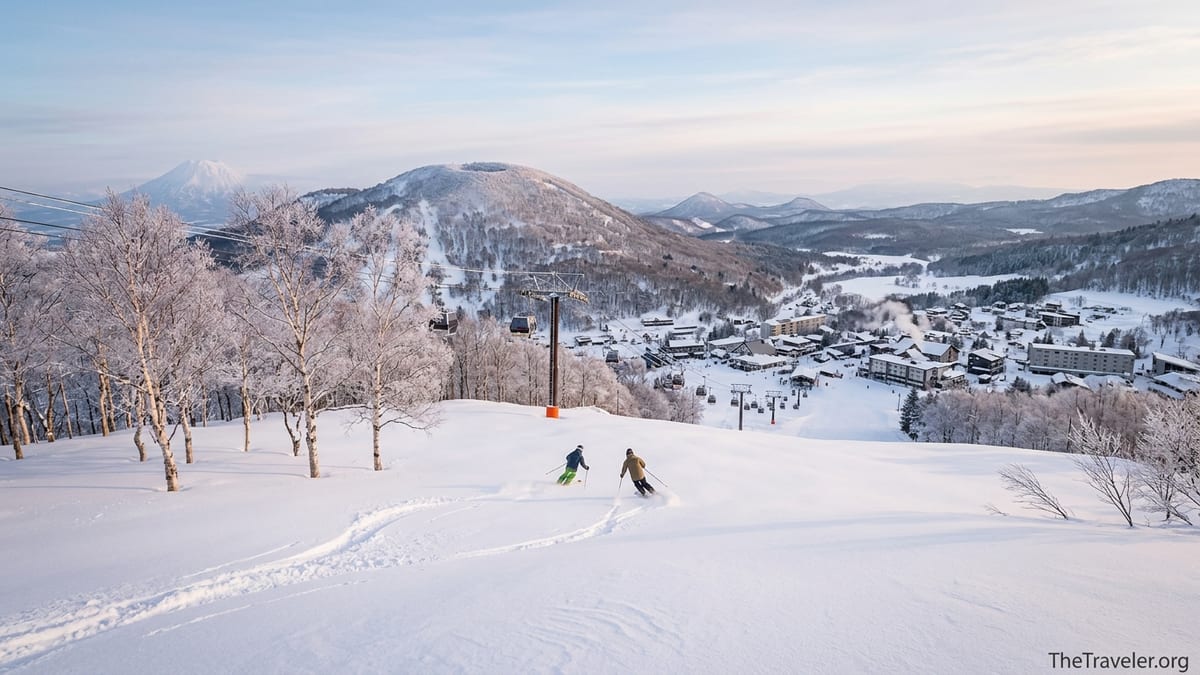
Hokkaido vs Tohoku: How the Regions Feel on the Ground
For most international visitors, the decision starts with geography. Hokkaido’s Niseko, Rusutsu and Furano sit within a few hours of New Chitose and Asahikawa airports, with dedicated winter buses and well-established package infrastructure. Niseko United markets itself aggressively overseas and has the most developed English-speaking ecosystem in Japan, from ski schools to real estate agencies. By contrast, Tohoku’s Zao Onsen and Appi Kogen are reached more often via the Tohoku and Yamagata Shinkansen lines, followed by resort buses, and daily life around the slopes feels more traditionally Japanese, with less English signage and fewer foreign tour groups.
On the snow, both regions share one core trait: cold winters that create dry, light powder. Hokkaido’s western resorts such as Niseko and Rusutsu sit closer to the Sea of Japan and typically receive larger storm totals, which is why they became synonymous with deep “Japow.” Tohoku resorts like Zao and Appi Kogen get slightly less snow on average but still see regular top-ups through winter, especially in January and February. The trade-off tends to be quantity versus atmosphere. Hokkaido’s headline resorts offer more foreigner-friendly services and nightlife, but also higher prices and busier slopes. Tohoku’s ski areas deliver a quieter, often more affordable trip with strong cultural experiences including historic hot spring villages.
For a first-time visitor focused on simplicity and English support, Hokkaido is generally easier. Experienced travelers or those seeking a more Japanese-feeling trip often gravitate to Tohoku, pairing a few days on the slopes with city stops in Sendai, Morioka or Yamagata. In practice, many repeat visitors start in Niseko or Rusutsu once, then come back to explore options like Furano, Zao or Appi Kogen once they understand on-the-ground logistics.
Powder, Terrain and Crowds: Where the Skiing Really Shines
All five headline resorts deliver quality snow, but the style of skiing differs. Niseko United, spread over several interconnected areas on Mount Annupuri, is famous for its consistent storm cycles and extensive tree skiing, including controlled off-piste zones and gates leading to sidecountry for competent skiers. Powder days here can feel almost North American in energy: lines form early at popular lifts such as the Hirafu gondola, and favored tree stashes can be tracked out by mid-morning on peak-season weekends. The flipside is that you can lap a lot of vertical quickly using express lifts and gondolas.
Rusutsu, about 90 minutes to 2 hours by bus from New Chitose Airport, receives similar snow quality to Niseko but spreads skiers across three separate peaks. The tree skiing between groomed runs is some of the best in Hokkaido for advanced and upper-intermediate riders, and because on-mountain beds are fewer than in Niseko, powder tends to last longer during and after storms. In practice, many skiers base in Niseko but take a guided day trip or overnight to Rusutsu for a less crowded feel and more playful terrain, then return to Niseko for the restaurants and nightlife.
Furano, further inland and promoted as part of the “Hokkaido Powder Belt,” trades the absolute deepest totals for especially dry snow and more variable but often excellent powder days. The resort has long, consistent fall-line groomers that appeal to carvers and families, plus controlled off-piste areas and sidecountry options for those willing to hike. Because Furano sees fewer international package tours than Niseko or Rusutsu, powder pockets in resort often last later into the day, and lift lines in January can remain short even after overnight snowfall.
In Tohoku, Appi Kogen stands out for its broad, north-facing slopes that help preserve snow quality. Its long groomed runs are a draw for those who like top-to-bottom cruising and technical carving. While the tree and off-piste options are more limited by resort policy than in parts of Hokkaido, strong intermediate skiers enjoy the sustained pitches and consistent grooming. Zao Onsen, meanwhile, is less about high-octane powder laps and more about atmosphere and novelty. It offers good snow, but its iconic “snow monsters” and natural hot spring village often share equal billing with the skiing itself. Crowds at both Appi and Zao are dominated by domestic visitors, with weekends and holidays busier but usually less frenetic than peak weeks in Niseko.
Beginners, Families and English-Language Support
For true beginners and families who want everything easy, Niseko and Rusutsu have the most comprehensive support. Both offer English-language ski and snowboard schools, rental shops with staff accustomed to fitting first-time visitors, and family-friendly facilities such as kids’ play areas. In Niseko’s Hirafu area, for example, parents can book all-day group lessons for children, arrange rental delivery to their condo, and walk to restaurants offering Western menus when energy is low after skiing. Rusutsu’s main base has a compact, resort-style layout where most hotels and beginner slopes sit within a few minutes’ indoor walk, which is helpful with young children in mid-winter cold.
Furano offers a solid middle ground. There are English-speaking instructors and rental outlets, but they may sell out more quickly in peak holiday weeks and some lesson scheduling requires more advance planning. The town itself has a mix of Japanese izakaya, ramen shops and a smaller number of Western-style cafes and bars, many with at least some English menus or picture-based ordering. Families who prefer a quieter rhythm and are comfortable with a bit of language improvisation often find Furano very manageable, especially if they choose slopeside hotels at the Kitanomine base to minimize daily commuting.
In Tohoku, Appi Kogen leans more toward the integrated resort model. Large hotels at the base provide rental, ski school and dining within one complex, and some staff speak basic English, especially in winter. First-timers can book beginner packages that bundle rental gear and lessons, then step directly onto wide, gently graded slopes. Zao Onsen, by contrast, requires more self-sufficiency. Beginner slopes exist, but signboards, bus timetables and many restaurant menus are primarily in Japanese. Independent travelers with a translation app and some patience usually cope well, but families expecting the kind of seamless English support found in Niseko may feel out of their depth.
Lift Passes, Pricing and On-Mountain Experience
Lift pass prices in Japan are generally lower than in North America or major European destinations, but there are still noticeable differences between resorts. Niseko’s day passes sit toward the higher end for Japan, reflecting its international demand and modern lift infrastructure. Many visitors choose multi-day Niseko United passes that include access to the linked areas, and some opt for flexible electronic passes that can be reloaded online. Rusutsu offers a range of day and multi-day passes, sometimes combined in transport-and-lift packages from New Chitose Airport or Sapporo that appeal to overseas visitors who prefer to prepay key costs before arrival.
Furano, Zao and Appi Kogen typically price day passes lower than Niseko, which can make a noticeable difference over a week-long stay, especially for families buying multiple passes daily. Package deals are common, such as lodging bundles that include breakfast and lift tickets at Appi Kogen’s base hotels or ski-and-stay offers in Zao’s ryokan. These can be especially good value for visitors traveling in midweek or outside national holidays. While exact prices vary season to season and by age category, a rough rule is that lift passes at these three resorts tend to feel more like regional mountains back home than flagship international destinations.
On the mountain, the experience also varies by infrastructure. Niseko and Rusutsu make heavy use of high-speed quads and gondolas, which help compensate for colder, windier weather and allow skiers to rack up more vertical on storm days. Furano mixes modern lifts with a few older chairs and a tram, while Appi and Zao still feature some traditional fixed-grip lifts alongside modern ones. In practical terms, that means you might spend slightly more time on lifts in Tohoku, but many visitors accept this as part of the slower-paced charm, especially when combined with shorter lines outside peak dates.
Accommodation, Onsens and Off-Slope Atmosphere
Accommodation style is one of the biggest differentiators among these resorts. Niseko’s Hirafu village looks increasingly like a compact international ski town, with modern apartment complexes, boutique hotels and luxury chalets lining heated streets. Visitors can book everything from shared hostel bunk rooms to multi-bedroom penthouse apartments with private outdoor hot tubs. Nightlife includes craft beer bars, cocktail lounges and international restaurants serving everything from ramen to wood-fired pizza. Many properties offer Western-style bedding and familiar amenities, which makes transition easy for first-time visitors to Japan.
Rusutsu’s base area is defined by large resort hotels connected by indoor walkways, with an attached shopping and dining arcade. This is particularly convenient for families on the coldest days because lifts, rental shops, kids’ areas and restaurants are all reachable without spending long outside. While there is less independent nightlife than in Niseko, the resort atmosphere feels cohesive and stress-free. Furano offers a more balanced mix. At the mountain base, slopeside hotels and pensions cater to skiers who want to prioritize first chair, while in Furano town a few minutes’ drive away, small inns and business hotels suit travelers who prefer to explore local dining and bars each evening.
Onsen culture is where Tohoku really shines. Zao Onsen is a historic hot spring village built around naturally acidic sulfur springs, with many ryokan offering indoor and outdoor baths that have attracted bathers for centuries. After skiing under the snow-laden “juhyo” or snow monsters near the summit, soaking in one of these steaming outdoor pools while snow falls around you can be a trip-defining experience. Appi Kogen also offers hot springs access, often through hotel-based baths or nearby day-use facilities, but the setting feels more like a modern resort than an old village. Hokkaido’s Niseko and Rusutsu both feature a range of public and hotel baths, while Furano provides onsen options both at the base and in nearby towns, though the ambience is generally quieter and less famous than Zao’s.
Access: Airports, Shinkansen and Transfer Logistics
For Hokkaido, most international travelers fly into New Chitose Airport near Sapporo. From there, dedicated winter buses connect directly to Niseko and Rusutsu, typically taking around two to three hours depending on conditions. Pre-booked seats and luggage handling make these services appealing for families and groups. Alternatively, some visitors rent cars for more flexibility, especially if they plan to combine multiple Hokkaido resorts in one trip, though driving on snow and ice requires confidence and appropriate tires. To reach Furano, travelers can choose between buses that run from New Chitose and Sapporo during the ski season or fly into smaller Asahikawa Airport, then transfer by bus or rental car for roughly an hour’s drive to the resort.
Reaching Tohoku’s resorts usually starts with a Shinkansen ride. To reach Zao Onsen, for example, you can take the Yamagata Shinkansen from Tokyo to Yamagata Station in about two and a half hours, then transfer to a local bus for roughly 40 minutes up to the hot spring village. In winter, there is also a reserved-seat bus service from Sendai to Zao that aligns with the snow season. Appi Kogen is accessed via the Tohoku Shinkansen to Morioka Station, then a dedicated resort bus or car journey of under an hour to the slopes. Travelers often appreciate being able to use rail passes on the Shinkansen segments, reducing overall transport costs compared with multiple domestic flights.
In practical planning terms, Hokkaido works well if you want to minimize train changes and are comfortable with one main airport and a direct bus transfer. Tohoku appeals if you like fast trains, want to see multiple regions in one trip, or are combining skiing with visits to cities like Tokyo, Sendai or Morioka. It is common, for example, to land in Tokyo, spend a night in the city, take a morning Shinkansen to Morioka, ski Appi Kogen for several days, then finish with a hot spring stay in Zao before returning to Tokyo.
Who Should Choose Which Resort Cluster?
Putting all these factors together, distinct traveler profiles emerge. Niseko suits skiers and riders who prioritize a lively international atmosphere, convenient English-language services and extensive off-piste options, and who accept higher prices and busier slopes as part of that package. It is particularly good for mixed-ability groups where some members care more about nightlife and dining than skiing bell to bell. Rusutsu is ideal for strong intermediates and advanced skiers who want excellent tree skiing, modern lifts and a family-friendly but quieter base, with enough English support to keep logistics straightforward.
Furano works best for travelers who value a blend of authentic Japanese town life and quality snow without Niseko-level development. It is popular with returning visitors who are comfortable navigating some Japanese-only environments, renting a car or using regional buses, and mixing days at Furano with excursions to nearby mountains in the Hokkaido Powder Belt. Appi Kogen is well suited to families and intermediates who enjoy long groomed runs, want a self-contained resort with ski-in ski-out hotels, and are interested in exploring Tohoku’s less touristed side. Zao Onsen is the choice for travelers who place culture and onsen experiences on equal footing with skiing, are intrigued by the snow monsters, and are happy to deal with more limited English infrastructure.
Many itineraries sensibly combine two or more bases. A common pattern is to spend four or five nights in Niseko or Rusutsu, then fly or train down to Tohoku for three nights in Zao or Appi to experience a traditional hot spring village or quieter resort. Another is to base in Furano for a week, renting a car and using it as a hub to sample other central Hokkaido areas such as Kamui Ski Links or Tomamu, then ending with a city stay in Sapporo before flying home. The key is to match your tolerance for language barriers and your appetite for cultural immersion with the resort’s character.
FAQ
Q1. Is Niseko really the best choice for a first Japan ski trip?
For many English-speaking first-timers, Niseko is the easiest entry point because of its extensive language support, variety of accommodation and nightlife, and familiar resort feel. However, if you prefer quieter slopes and a more Japanese atmosphere and you are comfortable with a bit of language challenge, alternatives like Rusutsu, Furano, Appi Kogen or Zao Onsen can offer a better match, often at lower overall cost.
Q2. How do powder conditions compare between Hokkaido and Tohoku?
Hokkaido’s coastal resorts like Niseko and Rusutsu typically see more frequent and heavier snowfalls, while inland areas such as Furano and much of Tohoku often receive slightly less total snow but with very light, dry quality in midwinter. On any given trip, local storms and temperatures matter more than regional averages, so it is wise to keep plans flexible if you can and adjust to where conditions are best that week.
Q3. Which resort is most suitable for families with young children?
Rusutsu and Niseko are generally the easiest for families. Both offer English-speaking ski schools, rental shops used to fitting children, and slopeside accommodation that minimizes walking in cold weather. Rusutsu’s resort-style base with indoor walkways is particularly convenient with strollers or tired kids. Appi Kogen also works well for families who do not need full English support, as its hotels and beginner areas sit right by the lifts.
Q4. Where should advanced powder skiers focus?
Advanced powder skiers tend to favor Niseko for its gate-accessed sidecountry and extensive tree skiing, and Rusutsu for its playful glades and fewer on-mountain beds, which can leave more fresh lines untracked later in the day. Furano appeals to those willing to explore sidecountry and nearby backcountry zones, especially when using a guide. In Tohoku, the emphasis is more on groomers at Appi and cultural experiences at Zao, so serious powder hunters often pair these with other nearby mountains during the same trip.
Q5. How challenging is it to get by with only English in Zao and Appi Kogen?
In Zao and Appi Kogen, you can usually manage basic needs in English at major hotels and ticket counters, but you will encounter more Japanese-only signs and menus than in Niseko or Rusutsu. A translation app on your phone, willingness to point at pictures on menus, and a few simple Japanese phrases can make a big difference. Travelers who expect everything to work like an English-speaking resort town may find it challenging, but those open to some improvisation generally do well.
Q6. Are lift tickets much cheaper than in North America or Europe?
In most cases, yes. Even at higher-priced destinations like Niseko, day passes are often lower than peak-season prices at major North American or Alpine resorts. At Furano, Zao or Appi Kogen, day passes typically feel closer to smaller regional mountains back home. Multi-day passes and ski-and-stay packages can deliver additional savings, especially if you travel outside Japanese holiday periods.
Q7. Do I need a car to enjoy Furano or can I rely on buses?
You can ski Furano comfortably using winter buses and shuttles, especially if you stay near the Kitanomine base or at slopeside hotels. However, renting a car from Asahikawa or New Chitose can significantly increase your flexibility, allowing day trips to nearby Hokkaido Powder Belt resorts and easier access to restaurants and supermarkets in town. Drivers should be confident in winter conditions and ensure they have appropriate snow tires.
Q8. What is special about Zao’s “snow monsters” and when can I see them?
Zao’s “snow monsters” are trees coated in thick rime ice and snow created by freezing winds and moisture at high altitude. They form surreal, sculptural shapes along the upper slopes. The most reliable viewing period is typically from late January through February, though exact timing varies by year. Many visitors ride the ropeway up in the late afternoon to ski or walk among them, then stay for night illuminations before soaking in the village’s hot springs.
Q9. If I only have one week, can I combine Hokkaido and Tohoku in a single trip?
It is possible but tight. With seven days, most travelers get more skiing and less transit by focusing on one region. For example, you might spend the entire week based in Niseko and Rusutsu, or split time between Furano and nearby Hokkaido resorts. If you are determined to sample both regions, consider three to four days in Hokkaido followed by three days in Tohoku, using a domestic flight or Shinkansen to bridge the gap and accepting that you will spend a full day in transit.
Q10. How far in advance should I book accommodation and lessons?
For peak periods such as Christmas to early January and around Chinese New Year, it is wise to secure accommodation six to twelve months ahead in Niseko and Rusutsu, and at least several months ahead in Furano, Appi Kogen and Zao. Ski and snowboard lessons, especially in English and for children, can sell out weeks in advance at popular times, so booking early through your hotel or resort is recommended. For shoulder periods like early December or March, you can often book closer to travel, but availability still varies by resort and snow conditions.