


Hokuriku and Shinetsu come into their own in winter. From waist-deep powder in Nagano and Niigata to steaming onsen in snowbound valleys and Sea of Japan crab feasts, this region rewards travelers who embrace the cold. With reliable high speed rail but also heavy snowfall on mountain roads, planning around winter strengths and limitations is essential. This guide explains how to build a balanced trip that combines skiing, onsen and culture without spending your entire holiday inside a ski resort.
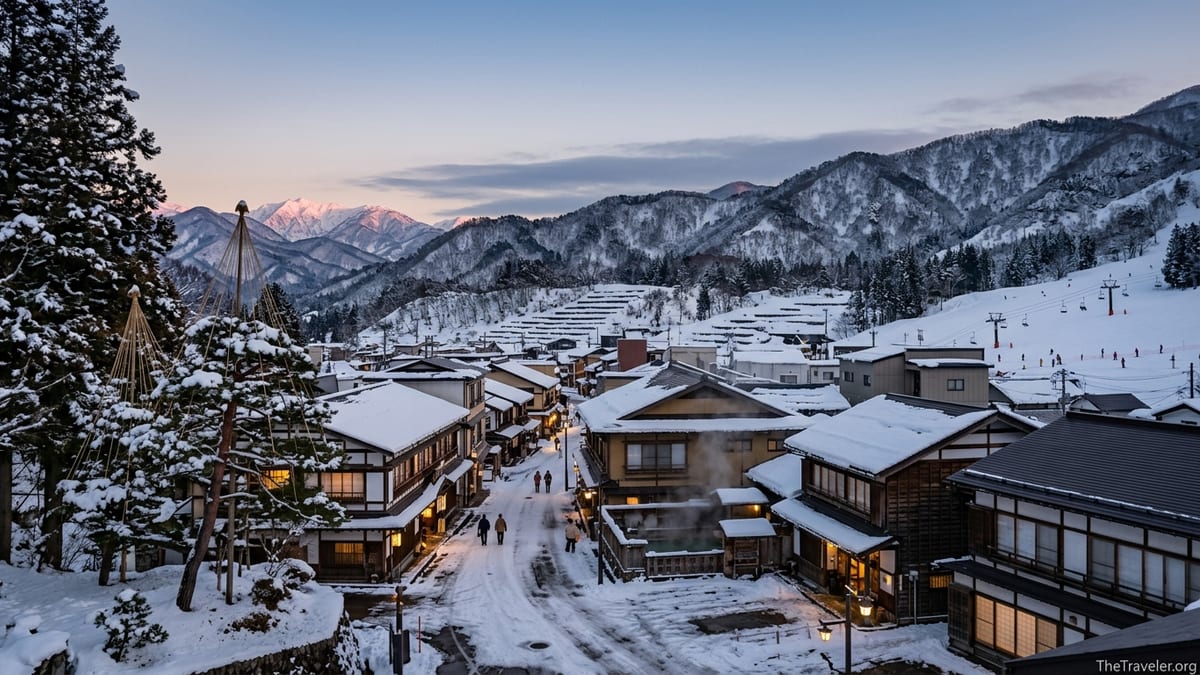
Understanding Winter in Hokuriku and Shinetsu
Hokuriku and Shinetsu are shorthand for the Japan Sea side of central Honshu, centered on Niigata, Toyama and Ishikawa Prefectures, and the inland highlands of Nagano and parts of Niigata. From roughly late December to early March, cold air from Siberia collides with moisture over the Sea of Japan, dumping heavy, sticky snow on the coastal plains and even more on the inland mountains. Ski resorts in Nagano such as Hakuba and Shiga Kogen typically enjoy deep bases, while valleys in Niigata around Yuzawa and Myoko can see several meters of snow over the course of a season.
This snow pattern has two practical impacts on travel. First, the scenery becomes dramatic: rice paddies vanish under white blankets, Kenrokuen Garden in Kanazawa can be dusted with snow, and seaside towns along Toyama Bay and the Noto Peninsula feel hushed and atmospheric. Second, transport on local roads and some regional rail lines can be delayed or disrupted during major snowfalls, even while the Hokuriku Shinkansen and other trunk lines usually continue to run on time.
Winter is also the peak season for seafood along the Sea of Japan. In Ishikawa the snow crab season for male Kano crab typically runs from early November to around late March, and coastal towns in Kaga and Noto build much of their winter cuisine around it. At the same time, inland onsen towns like Nozawa Onsen and Shibu Onsen in Nagano lean into their identity as snow-country retreats, with outdoor baths framed by tall snow walls and narrow lanes piled with powder.
The trick when planning is to accept that you will almost certainly encounter snow and possibly storms. With that expectation, you can prioritize experiences that benefit from winter weather, such as skiing, hot springs and crab dinners, while using high speed rail and base cities like Kanazawa and Nagano to keep the trip flexible.
Skiing in Nagano and Niigata: Where Winter Shines
Nagano and Niigata together offer dozens of ski areas, but for a short trip you can focus on a few hubs that combine easy rail access with varied terrain. In Nagano, Hakuba Valley is the largest cluster, roughly 70 to 80 minutes by highway bus from Nagano Station, which itself is about 90 minutes from Tokyo on the Hokuriku Shinkansen. Resorts like Happo One and Hakuba Goryu usually open from early December to late March, with peak conditions in January and February. Day lift tickets at major Hakuba resorts often fall in the range of 6,000 to 8,000 yen for adults, with discounts for multi day passes and advance purchase.
For travelers who prefer to base directly on a rail line, Nozawa Onsen and Shiga Kogen stand out. Nozawa Onsen is reached via the Hokuriku Shinkansen to Iiyama, then around 25 minutes by bus. Shiga Kogen connects through the Nagano Dentetsu line from Nagano City to Yudanaka and onward by bus. Both areas sit at higher elevations than many Niigata resorts, which helps preserve snow quality well into March. Nozawa’s ski village runs directly into a historic onsen town, which means you can spend mornings on the slopes and late afternoons wandering narrow streets in yukata, dipping into free public baths that are managed by neighborhood associations.
Niigata’s ski scene is shaped by its proximity to Tokyo and its extremely heavy snowfall. Echigo Yuzawa, the gateway town on the Joetsu Shinkansen, is only about 80 minutes from Tokyo, making it feasible as both a ski base and a stop on a longer Hokuriku Shinetsu itinerary. Resorts like Gala Yuzawa are purpose built for rail travelers, with the gondola station effectively attached to the Shinkansen platforms. Further west, Myoko Kogen in Niigata borders Nagano and is known for deep snow and a mix of traditional lodges and more modern hotels.
Rather than hopping between many small hills, a focused winter itinerary might include three or four days in Hakuba or Nozawa Onsen and two to three days in Niigata at Yuzawa or Myoko. That provides contrasting conditions and town atmospheres without overcomplicating transport. Rail passes that cover both the Hokuriku and Joetsu Shinkansen can make this routing economical if you are traveling intensively over a one or two week window.
Snow-Country Onsen, Snow Monkeys and Classic Villages
Onsen are central to winter in Hokuriku Shinetsu. Many of the most appealing hot spring towns are accessible without a rental car, which becomes important once snow piles up. In Nagano, Shibu Onsen and the nearby Yudanaka Onsen are compact historic districts with narrow lanes lined by wooden inns. Guests staying in traditional ryokan often receive keys that grant access to a circuit of small communal baths, each with a different mineral composition. When temperatures drop well below freezing, soaking in an outdoor tub while watching snowflakes fall onto the wooden eaves feels distinctly seasonal.
These same onsen towns provide access to Jigokudani Monkey Park, where wild Japanese macaques famously bathe in a hot spring pool. From Nagano Station, travelers take the Nagano Dentetsu line toward Yudanaka, then a bus to the trailhead and a short walk along a forest path. Services operate through winter, but the path can be icy and snow covered, so sturdy footwear and traction devices are wise. The park remains open in most conditions, though there may be temporary closures during severe weather or after heavy snow.
Over in Niigata, onsen towns like Yuzawa, Tsunan and Matsunoyama are deeply tied to snow-country identity. Matsunoyama Onsen in particular is known for very heavy snowfall and high mineral content waters, with some ryokan offering open air baths that sit in deep snow basins by mid winter. Reaching more remote onsen often requires local buses that may run on limited timetables in winter, so planning around departures from main rail stations such as Tokamachi or Joetsu Myoko is important.
For classic snowbound scenery, travelers often pair Hokuriku visits with side trips to villages such as Shirakawa go in Gifu Prefecture or Gokayama in Toyama. These gassho style farmhouses, with steep thatched roofs built to shed snow, are typically reachable year round by highway bus from Kanazawa or Toyama. Services continue in winter but may be delayed if expressways close temporarily due to storms. In practice, that usually means slower journeys rather than complete cancellations, with local authorities working to clear the Hokuriku Expressway and key mountain roads quickly.
Kanazawa’s Winter Gardens and Sea of Japan Seafood
Kanazawa is one of the most practical and rewarding winter bases in the Hokuriku region. The city lies on the Sea of Japan coast in Ishikawa Prefecture and is served by the Hokuriku Shinkansen from Tokyo, passing through Nagano and Toyama. Even when nearby hills receive snow, downtown Kanazawa often sees intermittent snowfall that may melt between storms, which makes walking around more manageable for visitors unaccustomed to deep snow.
Kenrokuen Garden, one of Japan’s best known landscape gardens, stays open through winter with slightly reduced hours and free early morning entry on certain days. Gardeners erect yukitsuri, or rope supports that protect the branches of pine trees from heavy snow, turning the views around the ponds into winter postcards. On select winter evenings, the garden hosts night illuminations during which lanterns and spotlights highlight the snow laden trees and stone bridges. Dates change annually, but recent schedules have concentrated these illuminations on February weekends, so visitors planning for a specific year should confirm the current calendar with Kanazawa’s official tourism information.
Winter is also when Kanazawa’s food scene shines. The Sea of Japan off Ishikawa and neighboring prefectures is a major fishing ground for snow crab. In Ishikawa, male snow crab branded as Kano crab is landed with distinctive blue tags from early November to mid March, and female kobako crab appears mainly from November into late December or early January, depending on the year. Many ryokan and kaiseki restaurants in Kaga Onsen, Noto and central Kanazawa design seasonal menus around grilled crab, crab hot pot and sashimi. Prices vary widely, from modest set lunches at market stalls in Omicho Market to high end multi course dinners where a whole premium crab can add tens of thousands of yen to the bill.
Besides crab, winter specialties along Hokuriku’s coast include fatty yellowtail from Toyama Bay and Noto, sweet shrimp and oysters from inlets around Nanao. In Toyama Prefecture, winter is also prime time to see mirages and low winter light over Toyama Bay. Many local seafood restaurants operate normally through winter, though smaller family run places may close for several days around New Year. Making reservations, especially for crab focused kaiseki courses, is advisable during the peak of crab season in December and January.
Winter Rail Travel, Closures and Road Conditions
One of the main advantages of planning a Hokuriku Shinetsu winter trip is the presence of high speed and limited express rail that is designed to operate through snow. The Hokuriku Shinkansen connects Tokyo to Nagano, Joetsu Myoko, Toyama, Kanazawa and Fukui. The Joetsu Shinkansen links Tokyo to Echigo Yuzawa and Niigata City. Both lines typically continue running even in heavy snow, though trains may operate at reduced speeds during storms, adding 10 to 30 minutes to journeys.
At the regional level, local JR lines and private railways such as the Nagano Dentetsu generally operate year round but are more vulnerable to delays and occasional suspensions during extreme weather. For instance, services beyond Nagano toward the mountains may pause for snow clearing if powder accumulates quickly. Buses from key rail hubs to ski resorts, onsen towns and villages continue in winter but may switch to snow schedules with slightly longer travel times and less frequent departures.
Major tourist sites in cities such as Kanazawa, Nagano, Toyama and Niigata remain open through winter with limited exceptions around New Year. In Kanazawa, recent New Year schedules have shown that Kenrokuen Garden and Kanazawa Castle Park open most days between late December and early January, with specific tea houses, museums and villas closing on a few dates for holidays or winter maintenance. That pattern is typical across the region: core outdoor sites and major museums stay accessible, while small private museums, gardens like Gyokusen en and certain craft centers may shut for part or all of the coldest months.
Road conditions are where winter has the largest impact. Expressways and national routes are cleared regularly, but heavy, wet snow can still lead to chain controls, reduced speed limits or temporary closures, especially on mountain passes between Nagano and Toyama or Niigata. Coastal roads in Noto and between Toyama and Niigata can also be affected by blowing snow. Local drivers equip their cars with studless winter tires from around December to March, and many rental companies in the region do the same, but black ice and narrow residential streets present hazards for visitors who are unfamiliar with driving in snow.
When Rental Cars Make Sense and When to Avoid Them
Whether to rent a car in Hokuriku Shinetsu during winter depends largely on your comfort with snow driving. If you regularly drive in snowy conditions at home and understand how to handle compacted snow, slush and occasional ice, a rental car can open up more remote onsen towns, coastal viewpoints and countryside ryokan that are not well served by winter buses. For example, reaching small hot spring settlements in the hills above Kaga or exploring rural corners of the Noto Peninsula is more efficient by car than by public transport, especially when daytime is short.
However, if you have little or no snow driving experience, it is safer and usually more relaxing to rely on trains and buses in mid winter. Urban routes in Kanazawa and Toyama are plowed, but side streets can be lined with tall snow banks that obscure pedestrians and cyclists. Rural roads around Yuzawa, Myoko and Matsunoyama may be narrowed by snow walls, and visibility worsens quickly during active snowfall. Rental agencies in cities like Kanazawa Station and Nagano Station equip vehicles with winter tires in season, and in some cases provide snow chains, but they will typically not offer one on one instruction in winter driving techniques.
A useful compromise is to design the core of your trip around rail accessible bases, then consider a one or two day car rental only if a specific side trip would otherwise be impractical. For instance, you might travel by Hokuriku Shinkansen to Kanazawa, spend several car free days exploring the city, then pick up a rental car on a clear day to visit coastal onsen in Kaga or viewpoints along Toyama Bay. Checking local weather forecasts and highway information on the morning of departure helps avoid driving into an active snowstorm.
The financial picture also matters. Winter car rentals in regional cities often start in the range of 6,000 to 10,000 yen per day for a compact car, plus highway tolls and fuel. Parking in central Kanazawa and Nagano usually involves paid lots that can cost several hundred yen per hour. By contrast, regional passes on JR and private lines can reduce per day transport costs if you are mainly moving between cities and large ski areas. When comparing options, factor in both direct costs and the mental load of navigating winter roads in an unfamiliar country.
Balancing Skiing, Onsen and Culture Without Resort Overload
The risk with a winter trip to Nagano, Niigata and Hokuriku is that it turns into nothing but ski resort time, especially if you book a package at a single large resort. To avoid this, start itinerary planning with cultural and food experiences, then layer skiing and snow play on top. For example, a ten day winter route could begin with two or three nights in Kanazawa, focusing on Kenrokuen, samurai districts and seafood dinners, followed by three nights in an onsen ski village like Nozawa Onsen, then finish with two nights in Niigata City or Toyama for coastal scenery and more seafood.
Within ski days, you can build in cultural variety by staying in traditional ryokan rather than modern condo hotels, or by choosing resorts that back onto real towns. In Nozawa Onsen, it is easy to spend mornings on the slopes and afternoons visiting shrines, sake breweries and communal baths. In Hakuba, taking one day off from skiing to ride a local bus to Matsumoto Castle or to explore Nagano City’s Zenkoji Temple can give legs a break and deepen the sense of place.
On the Hokuriku coast, culture often blends naturally with winter gastronomy. Spending a night in Kaga Onsen or Wakura Onsen can include not only hot spring soaks but also visits to Kutani porcelain studios or lacquerware workshops, followed by kaiseki dinners built around crab and yellowtail. In Kanazawa proper, many art museums and craft galleries stay open throughout winter, and strolling districts like Higashi Chaya take on a different atmosphere when snow dusts the tiled roofs and paper lanterns.
If your main goal is to see snow rather than to ski hard every day, consider scheduling just one or two ski days and allocating more time to onsen and towns. Sledding hills and snowshoeing excursions around resorts like Myoko and Shiga Kogen give a sense of the winter landscape without requiring full ski gear or advanced skills. This approach also makes it easier to adjust plans during storms, swapping a planned ski day for a soak in an onsen and a leisurely seafood lunch if winds close lifts.
When to Go and What Stays Open
The core winter travel window in Hokuriku Shinetsu runs from late December through early March. Conditions and crowds vary within that range. Late December and early January combine holiday closures with domestic travel peaks around New Year, when many Japanese travelers return home or visit shrines. Trains and accommodation in popular ski areas can be very busy during this period, and some small museums or restaurants in cities like Kanazawa may close for several days.
January and early February usually bring the deepest and most reliable snow, especially in Nagano’s highland resorts and Niigata’s snow country. Ski runs are fully open, snow walls start to build up in valleys, and crab season is in full swing along the Sea of Japan. Many travelers from overseas choose this period to maximize their chances of powder. Most tourist sites, from Kenrokuen Garden to Nagano’s temples and Niigata’s museums, operate on standard winter hours, and rail schedules run normally aside from occasional storm-related slowdowns.
Late February into early March can be an excellent compromise. Snow cover remains substantial at higher elevations like Shiga Kogen and Hakuba’s upper slopes, but days are a bit longer and slightly warmer. On the Sea of Japan coast, snow may melt more quickly between storms, making urban sightseeing easier for those unaccustomed to icy sidewalks. Some winter-only events, such as Kenrokuen’s Saturday night winter illuminations, often cluster in February, though exact dates change each year and need to be checked close to travel.
Outside this core period, the feel shifts. Early December may have limited snow at lower resorts and in cities, though high elevations can open on man-made or early season snow. By late March, many lower ski areas begin to wind down operations, and while crab season in Ishikawa and Kaga typically continues into the latter half of March, menus start to transition toward spring fish and vegetables. If your priority is both skiing and snow-country atmosphere in towns, visiting between the first week of January and the end of February offers the most reliable combination.
The Takeaway
Winter in Hokuriku and Shinetsu is not a consolation prize for those who could not make it to Hokkaido. It is a distinct season that blends deep snow, hot springs, and rich winter seafood along one of Japan’s less crowded coasts. By anchoring your itinerary on reliable rail hubs such as Kanazawa, Nagano, Toyama and Echigo Yuzawa, you can move smoothly through the region even when snowstorms are blowing over mountain passes.
Thoughtful planning makes the difference between a stressful and a rewarding winter trip. Focus on experiences that genuinely improve with snow: long soaks in outdoor baths, walks through quiet historic districts under lantern light, days on well prepared ski slopes, and dinners focused on crab and cold-season fish. Use rental cars selectively, if at all, and favor ski and onsen bases that connect easily by train and bus.
Most importantly, allow room in your schedule for weather. Build in flexible days that can turn from skiing to onsen, or from a rural drive to a museum afternoon, if snowfalls become intense. With that mindset, Hokuriku and Shinetsu in winter reveal themselves as regions where snow is not an obstacle but the essential backdrop to memorable travel.
FAQ
Q1. When is the best month to visit Hokuriku Shinetsu for both skiing and seafood?
January and February usually offer the best combination of deep snow in Nagano and Niigata ski resorts and peak crab and cold-season fish along the Sea of Japan coast.
Q2. Is it realistic to visit the snow monkeys in winter without a car?
Yes. From Nagano Station you can ride the Nagano Dentetsu line toward Yudanaka and then a bus to the trailhead. The route operates in winter, though the walking path is snowy and can be slippery.
Q3. Do Kenrokuen Garden and Kanazawa Castle close in winter?
They remain open through winter, with shorter daylight hours and occasional closures for specific facilities during the New Year period. Core garden and castle grounds are usually accessible on most winter days.
Q4. Are rental cars necessary for a winter trip in this region?
No. You can build an effective winter itinerary using the Hokuriku and Joetsu Shinkansen, local trains and buses. Cars are mainly useful for reaching remote onsen or coastal areas if you already have snow driving experience.
Q5. How often do winter storms stop trains in Hokuriku and Shinetsu?
High speed lines like the Hokuriku and Joetsu Shinkansen are engineered for snow and rarely stop completely. More commonly, trains run at reduced speeds or local lines are briefly suspended for snow clearing.
Q6. Can beginners enjoy skiing in Nagano or Niigata in midwinter?
Yes. Major resorts such as Hakuba, Nozawa Onsen, Shiga Kogen and Yuzawa have dedicated beginner slopes, English-friendly ski schools and rental shops that operate throughout the main winter season.
Q7. Is winter driving in Kanazawa and Nagano safe for people without snow experience?
Conditions can be challenging for newcomers. While main roads are plowed and rental cars have winter tires, narrow side streets, snow banks and ice make public transport the safer choice for most visitors.
Q8. Will I still enjoy Kanazawa’s gardens if there is no fresh snow during my visit?
Yes. Kenrokuen remains atmospheric thanks to its ponds, lanterns and yukitsuri rope supports, and winter illuminations on selected evenings add interest even when the ground is only lightly dusted.
Q9. How far in advance should I book ryokan in ski and onsen towns for January or February?
Booking two to three months ahead is sensible for popular periods, especially weekends and the New Year holidays. For small ryokan or rooms with private open-air baths, earlier reservations can be necessary.
Q10. Can I combine Hokuriku Shinetsu with other winter destinations on one trip?
Yes. Many travelers pair this region with Tokyo at the start or end of their journey, and some connect onward by Shinkansen to Kansai or by domestic flight and rail to Tohoku or Hokkaido for more winter landscapes.