


Autumn in Kanto is not a single “peak weekend” but a traveling show of color that starts high in the mountains around early October and trickles down to Tokyo’s city parks into early December. If you plan around this progression instead of chasing one fixed date, you can catch memorable foliage almost anywhere between Nikko’s lakes, Oze’s marshlands, Hakone’s onsen valleys, the ridgelines of Chichibu and Minakami, and finally the temples of Kamakura and gardens of Tokyo.
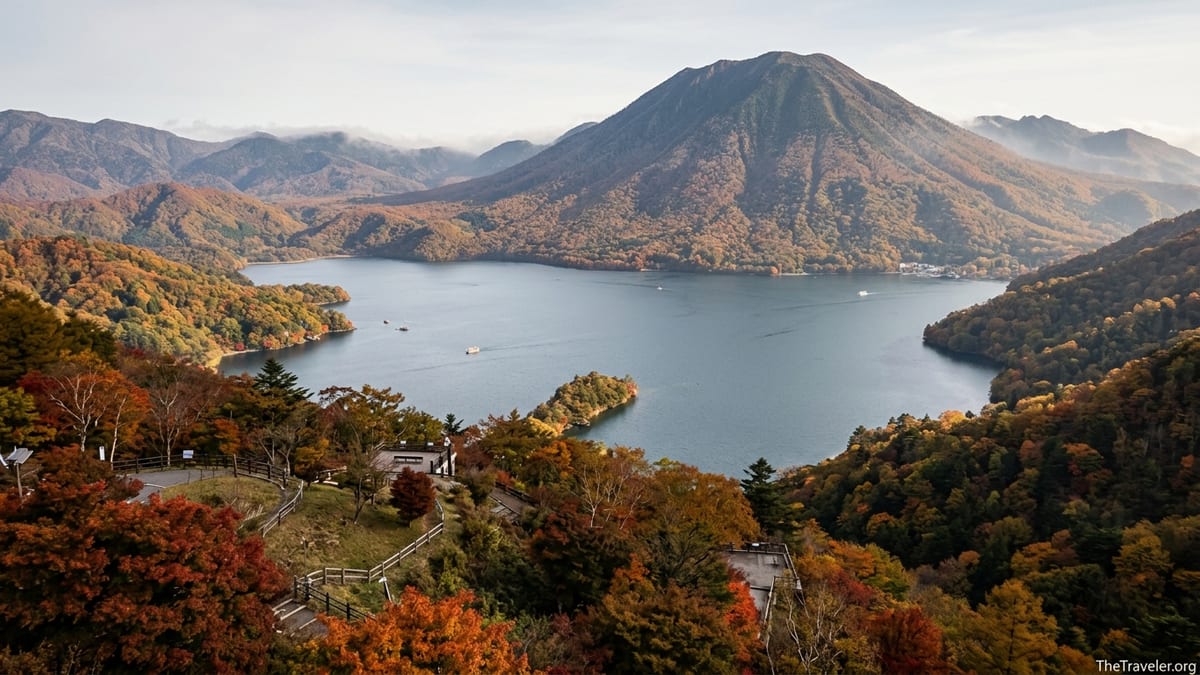
How Autumn Color Moves Through Kanto
In a typical year, the first strong autumn colors in the broader Kanto region appear in early October on high ridges around Nikko and Oze, then descend through mid‑elevation areas such as Minakami and Oku‑Chichibu before finally reaching coastal and low‑lying places like Hakone’s town centers, Kamakura and Tokyo’s gardens from late November into early December. Travel operators and weather services in Japan describe this as a “koyo front,” a wave of color that moves from higher, colder locations down to milder areas over roughly eight to ten weeks.
As a rough guide based on long‑term averages, you can expect high mountain areas around 1,500 to 2,000 meters in northern Kanto to peak from early to late October, mid‑elevation valleys and plateaus between roughly 800 and 1,300 meters from late October into mid‑November, and lowland cities and coastal hills below about 400 meters from mid‑November through the first half of December. For example, Nikko’s Lake Chuzenji and Irohazaka area usually peak around mid to late October, while Tokyo’s Rikugien Garden and Meiji Jingu Gaien ginkgo avenue often look best in the last week of November or the first days of December.
However, annual weather can shift these windows by more than a week. In recent years, Japan’s meteorological agencies and newspapers have repeatedly reported warmer‑than‑average autumns, with leaves in Kanto often arriving around a week to ten days later than historical norms. That means a forecast of “late October peak” for a Nikko viewpoint can slip toward early November, and colors in central Tokyo might hold deep into the second week of December. Travelers should treat any date as a target window, not a guaranteed day.
The practical takeaway is that Kanto gives you a long, flexible season: you can visit in mid‑October and focus on Nikko and Oze, come in mid‑November to split time between mid‑elevation areas and Tokyo, or arrive in late November and concentrate on Hakone, Kamakura and city parks. By aligning destinations with elevation and latitude instead of chasing one famous spot, you spread your risk and reduce disappointment if warmth or storms knock leaves down early in one area.
Early Season (Early to Late October): Nikko, Oze and High Mountains
Early season in Kanto, roughly from the first days of October through around the third week of the month, belongs to Nikko and the highlands on the northern edge of the region. In Nikko, the Okunikko area around Lake Chuzenji, Kegon Falls and Ryuzu Falls is usually among the first to turn, with maples and larches painting the hillsides while central Tokyo is still in short‑sleeve weather. On an early‑season weekend, you can ride the Tobu Railway from Asakusa to Tobu‑Nikko, then transfer to a bus up the famed Irohazaka switchback road to reach viewing points around Akechidaira and Chuzenji in about three hours door to door.
Oze National Park, on the border of Gunma and Fukushima Prefectures, is another classic early‑season option. Here, the star is not just maple trees but the vast Ozegahara marshland ringed by mountains. Grasses in the marsh turn a deep golden color that peaks around early to mid‑October, and the surrounding birch and beech forests add splashes of orange and red. Access usually involves a combination of train toward Numata or Minakami and then a bus or taxi to one of several trailheads, followed by at least an hour or more of walking on boardwalks into the marsh area, so Oze is best suited to reasonably fit travelers comfortable with light hiking.
Minakami, in Gunma Prefecture, also begins to show color from early to mid‑October at higher points such as Tanigawadake. The Tanigawadake Ropeway lets you ascend quickly from the valley to an alpine area where ridges turn yellow and red earlier than the town below. This is a good choice if you want mountain scenery without committing to a full‑day hike, as you can combine short walks from ropeway stations with hot spring visits in onsen villages like Takaragawa or Minakami Onsen.
Because these early locations rely on relatively remote roads and mountain buses, weekday travel is usually calmer and buses less crowded than in peak November in the cities. Still, on fine October weekends, Nikko in particular can see heavy traffic on the Irohazaka road, enough that cars creep along for an hour where the drive usually takes 20 minutes. If you plan to rent a car from Utsunomiya or Nikko to explore Okunikko, build buffer time into your schedule and aim to depart very early in the morning. For trains and hotels in early October, you can usually still find business‑hotel rooms in Nikko or Kinugawa Onsen a few weeks in advance, often between about 10,000 and 18,000 yen per night for a mid‑range double, but lakefront ryokan with private hot spring baths will book out earlier on Saturdays.
Mid‑Season (Late October to Mid‑November): Nikko Town, Minakami Valleys and Chichibu
By the final week of October, the highest ridges around Nikko and Oze often start to pass their peak, while mid‑elevation spots closer to towns enter their best period. In Nikko, color moves down from Lake Chuzenji toward the temples and shrines of the World Heritage area, where maples around Toshogu Shrine, Rinnoji Temple and Futarasan Shrine usually glow from late October through around mid‑November. The atmosphere here is more urban and cultural, with vermilion gates and ornate carvings framed by old cedar and maple trees.
Through early to mid‑November, Minakami’s river valleys, onsen towns and lakes tend to reach peak color. Around places like Lake Okutone and the river gorges along the upper Tone River, you can combine rafting or canyoning outfitters’ shoulder‑season trips with foliage viewing. Many visitors base themselves in a ryokan with outdoor baths and enjoy simply soaking while hillsides of maple, beech and larch change above the river. Because Minakami is within reach of both Tokyo and Niigata, autumn weekends can be busy, but crowds are usually lighter than in Nikko or Hakone.
Chichibu, west of Tokyo in Saitama Prefecture, becomes a strong mid‑season option in early to mid‑November. Areas such as Nagatoro Gorge, the Arakawa River and Oku‑Chichibu valleys offer river cruises, ropeways and trails with good color, and several towns run autumn leaf festivals with evening light‑ups at local temples and parks. Chichibu is reachable in around 90 minutes from central Tokyo by Seibu Railway’s limited express services from Ikebukuro, making it a viable day trip if you are staying in the capital and want to avoid longer journeys to Nikko or Hakone during a busy weekend.
This mid‑season window is when pressure on transport and hotels ramps up sharply. Late October and especially the long weekend around Japan’s Culture Day in early November see packed limited express trains out of Tokyo, and highway buses to Nikko and Hakone regularly sell out. Travelers who want specific departure times on popular trains such as the Tobu “Spacia” to Nikko or Odakyu’s “Romancecar” to Hakone should reserve seats as soon as tickets open, typically one month before travel. Likewise, traditional ryokan with dinner and breakfast plans around 20,000 to 35,000 yen per person in Nikko, Minakami and Chichibu often sell their prime Saturdays and holiday weekends months ahead.
Late‑Season (Mid‑November to Early December): Hakone, Kamakura and Tokyo
From about the second week of November, the focus shifts decisively to lower elevations and milder coastal climates. Hakone’s higher areas around Sengokuhara and Gora usually start to show color from early November, while gardens and lakeside areas nearer Hakone‑Yumoto and Miyanoshita follow through late November. This staggered elevation means you can often see some part of Hakone looking good for three or even four weeks. Travelers commonly pair rides on the Hakone Ropeway and sightseeing boats on Lake Ashinoko with strolls through landscaped gardens such as Hakone Gora Park, where maples and ginkgo trees frame views of Mount Fuji on clear days.
Kamakura, set by the sea south of Tokyo, typically peaks later, from late November into early December. Temple complexes like Hasedera, Engakuji and Tsurugaoka Hachimangu feature courtyards and hillside paths where maples turn rich red and orange, sometimes lit up in the evenings for special viewing events. Because Kamakura’s climate is milder than inland mountain towns, some of its best color can appear when Hakone’s upper slopes are already bare. For many travelers, this makes Kamakura a perfect late‑season day trip from Tokyo, even if their visit falls in the first or second week of December.
In central Tokyo itself, major parks and gardens generally reach their best around late November and sometimes hold color into the first half of December. Places like Rikugien Garden, Koishikawa Korakuen, Shinjuku Gyoen, Hibiya Park and Meiji Jingu Gaien’s ginkgo avenue become reliable options for travelers who cannot leave the city. Large ginkgo‑lined streets, especially around Meiji Jingu Gaien, are often at their best between the last week of November and early December. In some recent years, on‑the‑ground reports have described peak color in Tokyo even in the first days of December, which illustrates how late the season can run when autumn stays warm.
By mid‑December, most large maples and ginkgo trees in Kanto have usually dropped their leaves, though some late‑turning species and sheltered urban courtyards can still show pockets of color. If your trip falls this late, it is safer to treat Kanto’s foliage as a possible bonus rather than the main focus, and you may want to combine any remaining color in Tokyo or Kamakura with illuminations, Christmas markets and other winter events rather than planning around momiji alone.
Transport, Crowds and Booking Strategy
Across the whole Kanto season, the biggest crowd spikes occur on fine‑weather weekends between late October and late November, especially if they coincide with national holidays such as Culture Day around November 3 or Labor Thanksgiving Day around November 23. On these days, expressways toward Nikko and Hakone can back up for kilometers, parking lots at famous viewing points such as Kegon Falls or Hakone’s Lake Ashinoko fill early, and unreserved train cars can become standing‑room only for most of the journey.
For planning, imagine a typical Saturday in early November: a traveler leaves Tokyo at 8 a.m. aiming for Nikko, only to find all morning limited express seats sold out. They squeeze into an all‑stopping local train, arrive later than expected, and then queue 30 to 60 minutes for a bus up to the lakes. In Hakone, a similar traveler might find that the Hakone Freepass is still available, but the queue for the Ropeway stretches around the station by midday. These are common scenarios in peak weeks, so shifting your main foliage excursions to weekdays whenever possible can dramatically improve the experience.
In terms of hotels, mountain and onsen towns in Kanto often use dynamic pricing, with Saturday and holiday nights substantially more expensive than weekdays. A mid‑range ryokan in Nikko might cost around 28,000 yen per person on a Saturday in early November including dinner and breakfast, but around 18,000 to 20,000 yen on a Tuesday in the same week. Business hotels near stations, such as in Nikko town, Utsunomiya or Odawara for Hakone access, usually offer more stable prices but still raise rates when demand spikes. Booking two to three months ahead for popular weekends is sensible, and even longer lead times are wise if you want specific room types, private open‑air baths or child‑friendly facilities.
Transport passes can help manage both cost and flexibility. For Nikko, many travelers use regional passes sold by private railways that bundle round‑trip fares from Tokyo with unlimited local bus use for two or four days, making it easier to hop between waterfalls, lakes and viewpoints without worrying about individual tickets. For Hakone, the Hakone Freepass covers round‑trip transport from Tokyo’s Shinjuku plus local trains, buses, cable cars and the ropeway in the Hakone area. Chichibu and Minakami also have occasional seasonal campaigns or discount passes that can reduce the cost of autumn day trips by a few thousand yen per person, though availability and details change year by year.
Hiking vs. Easy Access: Matching Destinations to Fitness
Not all Kanto foliage destinations demand the same level of physical effort. On the easy end of the spectrum, travelers with limited mobility or those visiting with young children can still enjoy excellent color at locations close to train stations or accessible by short bus rides. For example, the core temple and shrine district in Nikko lies about a 30‑minute walk or a short bus ride from Tobu‑Nikko Station, with paved paths and some stone staircases. Hakone’s gardens and lake viewpoints are generally reachable by combinations of train, bus and ropeway, with many short walks of under 15 minutes from stops to viewpoints.
Oze National Park is at the other extreme. Reaching the famous Ozegahara marsh typically requires taking a train from Tokyo toward Gunma, a bus or taxi from the station to a trailhead, and then hiking several kilometers along wooden boardwalks. Even though the trail itself is not technical, the total walking time for a day trip can easily exceed four to six hours, and facilities in the park close by late October. As a result, Oze is best for those comfortable with early starts, variable weather and limited services once on the trail.
Mid‑range options include Minakami and Chichibu, where you can choose between light walks and more demanding hikes. In Minakami, some ropeways and gondolas make it easy to reach vantage points with minimal climbing, while more experienced hikers can tackle full‑day ascents of peaks like Tanigawadake or Hotaka. In Chichibu, the area around Nagatoro offers short riverside strolls and boat rides suitable for most travelers, while Oku‑Chichibu’s ridgelines require full hiking gear and, in some cases, overnight stays at mountain huts or local inns.
Late‑season spots around Kamakura and Tokyo offer a mix of both. Kamakura has gentle hillside temple paths and slightly more serious half‑day hikes along the Daibutsu and Tenen trails, which weave through wooded ridges linking various temples. In Tokyo, most parks and gardens involve flat walking with occasional stairs or slopes, and you can easily combine foliage viewing with cafe stops and shopping without committing to a long outdoor day. When building an itinerary, think realistically about how many hours of walking your group will enjoy, and pair more strenuous days in Oze or Minakami with gentler days in Hakone, Kamakura or urban Tokyo.
Weather, Elevation and Staying Flexible
Autumn foliage timing in Kanto is shaped by the interplay of temperature, sunlight and elevation. Cool, crisp nights and sunny days encourage leaves to change color and hold it, while prolonged warmth or heavy rain can delay the onset or cause leaves to fall quickly once they do change. In recent years, climate reports from Japan’s weather agencies and national newspapers have highlighted that autumn has been warmer than the long‑term average, with some seasons seeing the warmest fall on record and a corresponding delay in foliage peak in many regions.
Elevation works as a partial counterbalance. Even in a warm year, ridges around 1,500 to 2,000 meters near Nikko, Oze and Tanigawadake will cool sooner than lowland Tokyo, so these areas can still produce strong early to mid‑October colors. However, warmth can still push their peak later by a week or more compared with older guidebook estimates. Likewise, a sudden cold snap followed by strong winds or a typhoon remnant can strip trees in high‑exposure areas, leaving lower, sheltered gardens in cities looking better a week later.
Given this variability, the most reliable strategy is to treat any published forecast as a flexible framework rather than a promise. As your trip approaches, you can check updated maps and local tourism board notices showing which areas are at “starting to change,” “approaching peak” or “past peak” stages. Many Japanese travel sites and regional tourist offices publish weekly status reports and photos for places like Nikko, Hakone and Tokyo parks in October and November, which can help you decide whether to shift a planned day trip from Nikko to Chichibu or from Hakone to Kamakura.
On the ground, keep your plans loose, especially if you are staying in Tokyo and planning day trips. For example, if forecasts suggest Nikko is already past its best but Hakone and Kamakura are still approaching peak, you can swap a scheduled Nikko day for a Hakone loop using the Odakyu line, or opt for a Kamakura temple walk paired with an evening in Yokohama. Building this kind of flexibility into your travel style will usually produce better foliage experiences than locking yourself into nonrefundable hotels in one specific town based on a forecast issued months earlier.
The Takeaway
Planning for Kanto’s autumn colors works best when you think in terms of a moving season, not a single date. From early October highlands in Nikko, Oze and Minakami through mid‑November valleys in Chichibu and Nikko town to late‑season maples and ginkgo in Hakone, Kamakura and Tokyo, there is almost always somewhere within a few hours of the capital showing good color between early October and early December.
Concrete planning means matching destinations to their typical windows and your own preferences. If you love hiking, consider Oze or Minakami in early to mid‑October and accept the need for early starts and some uncertainty. If you prefer easy access and cultural sites, focus on Nikko town and Hakone in early to mid‑November, then Kamakura and Tokyo gardens toward the end of the month. Always reserve key train seats and ryokan early for weekends and national holidays, and try to schedule your most popular foliage excursions on weekdays to avoid the heaviest crowds.
Most importantly, stay flexible and keep your expectations broad. Even if peak color in one valley slips later or a storm strips leaves early, Kanto’s mix of mountains, rivers, temples and city parks gives you backup options at different elevations and exposures. By following the flow of the season rather than chasing a single postcard view, you are far more likely to return home with your own unexpected autumn scenes: mist over Chuzenji at sunrise, steam rising from a Minakami onsen surrounded by yellow larches, or a quiet backstreet temple in Kamakura glowing with late red maples in early December.
FAQ
Q1. When do autumn leaves usually start in the Kanto region?
In a typical year, high mountain areas such as Okunikko in Nikko and the Oze highlands start changing in early October, with low‑lying Tokyo and coastal towns following from mid to late November.
Q2. What is the best single week to see autumn colors around Tokyo?
There is no guaranteed “best week,” but many travelers find the last half of November offers the widest choice, with mid‑elevation areas still colorful and Tokyo parks and Hakone, Kamakura or Chichibu approaching or at peak.
Q3. How far in advance should I book hotels for Nikko and Hakone during foliage season?
For Saturday nights and holiday weekends from late October through late November, it is wise to book ryokan and popular hotels two to three months in advance, and even earlier if you want specific room types or private open‑air baths.
Q4. Do I need to be a serious hiker to enjoy Kanto’s autumn colors?
No. Many of the best views in Nikko town, Hakone, Kamakura and Tokyo’s gardens are reachable by short walks from train stations or bus stops. Only destinations like Oze’s marshlands or high ridges in Minakami and Oku‑Chichibu demand longer hikes.
Q5. How much can weather shift the timing of peak colors?
Recent warm autumns have delayed peak color in parts of Kanto by roughly a week to ten days compared with older averages, and storms or strong winds can rapidly strip leaves once they turn, so timing is always approximate.
Q6. Is it better to rent a car or use public transport for autumn leaf trips?
Public transport is usually more predictable on busy weekends, as roads to Nikko and Hakone can suffer long traffic jams. A rental car can be convenient on quieter weekdays or for more remote areas like some Minakami and Chichibu valleys.
Q7. Can I still see good foliage if I visit in early December?
Often yes, particularly in mild years. Kamakura temples and several Tokyo parks and ginkgo‑lined streets frequently hold attractive color into the first half of December, even if mountain areas have already dropped their leaves.
Q8. Are there budget‑friendly ways to experience foliage in Kanto?
Yes. Day trips using regional rail passes to places like Chichibu, Kamakura or central Nikko, combined with picnic lunches or convenience‑store meals, can keep costs low while still offering strong foliage viewing.
Q9. How crowded do famous spots like Nikko get at peak times?
On sunny weekends in late October and early November, Nikko’s roads and buses can become very crowded, with delays of an hour or more on mountain roads and long lines for popular viewpoints, so traveling on weekdays is strongly recommended if possible.
Q10. Where should I check the latest foliage status before my trip?
In the weeks before you travel, consult up‑to‑date autumn leaf reports and photos from Japanese weather services, regional tourism offices and major travel sites that track current conditions for spots like Nikko, Hakone, Tokyo parks and Kamakura.