


The Shikoku 88 Temple Pilgrimage is one of Japan’s most evocative journeys: a spiritual circuit of around 1,200 kilometers linking 88 Buddhist temples across four rural prefectures. For most modern travelers, walking the entire loop is neither realistic nor necessary. Instead, a growing range of guided, self-guided and private-car tours lets you sample the best of the route in anything from two days to several weeks, with varying levels of comfort and support. This guide explains the main options and uses real 2026 tour examples to help you choose the right Shikoku pilgrimage experience for your time, budget and fitness.
Understanding the Shikoku 88 Temple Pilgrimage Today
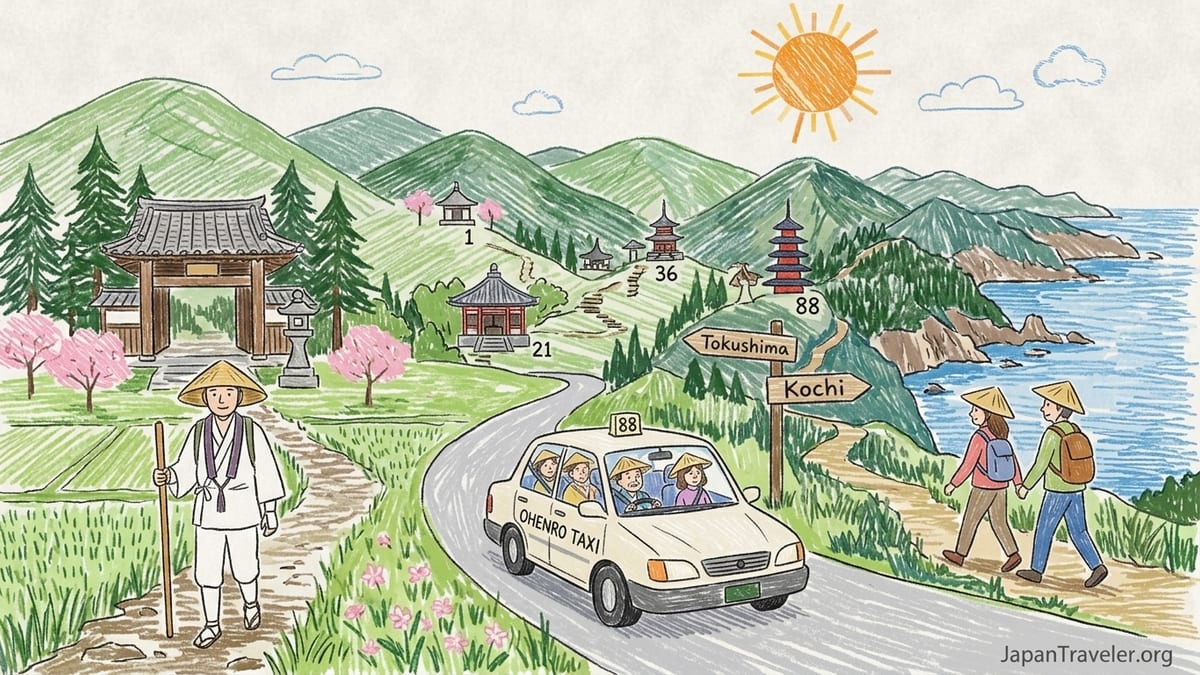
The Shikoku Henro, as the pilgrimage is known in Japanese, traditionally follows a roughly 1,200 kilometer circuit around the island of Shikoku, visiting 88 numbered temples associated with the monk Kobo Daishi. Walking the full circuit typically takes about six weeks at an average of around 30 kilometers a day, and even Japanese sources suggest this costs in the region of several hundred thousand yen once accommodation and food are included. For most international visitors planning a one or two week trip to Japan, this level of time and physical commitment is not realistic.
Instead, modern tour operators have created “highlights” style itineraries. For example, Shikoku Adventure markets a seven night Shikoku Pilgrimage Highlights Walking Tour priced around 440,000 yen, focusing on especially scenic sections in Tokushima and Kochi rather than attempting all 88 temples. Other companies, such as Australian based hiking specialists and international adventure brands, sell 8 to 10 day self guided walking itineraries that stitch together some of the best preserved old paths between early temples near Tokushima or dramatic coastal and mountain stretches further south.
In parallel, there is a strong trend toward private car and taxi based pilgrimages. Local operators in Shikoku, as well as Japan wide tour companies, offer multiday circuits of the 88 temples using private taxi or chartered van. One example is a complete 88 Temple Pilgrimage Tour by private car that loops around all four prefectures over a period of days or weeks. Another is a part one “temples 1 to 36” package by chartered taxi, promoted in 2026 brochures for international travelers who want the feel of pilgrimage without the full physical effort.
The key decision is therefore not whether you “do Shikoku” or not, but how. The rest of this guide compares full walking circuits, selected section walks, self guided highlights packages and private car or taxi based pilgrimages, looking at guide support, luggage transfer, accommodation, meals, daily walking distances and price.
Should You Attempt the Full 1,200 km Walking Circuit?
Walking the entire Shikoku 88 circuit remains a powerful undertaking. Recent personal accounts from walkers describe covering around 1,300 kilometers over four to six weeks, often averaging six to eight hours a day on foot through hot coastal plains and steep forested passes. For seasoned long distance trekkers or travelers for whom pilgrimage itself is the central purpose of a Japan trip, a full walk can be life changing. However, it is demanding in every sense: physically, logistically, financially and emotionally.
Accommodation along the full route ranges from basic henro lodgings and minshuku to business hotels in regional cities. English is not widely spoken outside major hubs, and wayfinding can sometimes be confusing despite generally good waymarks. Weather is another factor. Summer heat and humidity around Shikoku can be intense, while the spring cherry blossom and autumn foliage seasons are beautiful but busy, which can affect availability of simple lodgings near popular temples.
Most commercial operators in 2026 do not sell complete six week guided walking packages for international visitors, partly because of the cost and partly because so few travelers can commit that much time. Instead, they focus on shorter trips that cover key sections. Travelers who truly wish to walk the full circuit often plan it as an independent expedition, buying regional rail passes, sending luggage ahead via Japan’s luggage courier services, and using Japanese guidebooks or apps created specifically for henro.
Unless your main reason for visiting Japan is to complete the Shikoku pilgrimage on foot, you will usually be better served by a shorter highlights or section based itinerary. These let you experience the rhythms of walking between temples, the rituals of stamp collecting and incense offerings, and the hospitality of local lodgings, while fitting the journey into one or two weeks.
Guided Highlights Walking Tours: Structure, Support and Cost
Guided highlights tours are the easiest way to experience Shikoku’s pilgrimage on foot without worrying about language barriers, navigation or logistics. A typical example is the seven night Shikoku Pilgrimage Highlights Walking Tour in Tokushima and Kochi, priced at about 440,000 yen per person in 2026. This kind of trip usually includes accommodation, most meals, daily guiding, luggage transfers between overnight stops and local transport where needed to link walking sections.
On these itineraries, you might spend six days walking carefully chosen segments that include temple clusters around Ryozenji, the official Temple 1, or rugged paths through forest and countryside linking temples in Kochi Prefecture. Average walking distances tend to be manageable, often around 10 to 15 kilometers a day, with some shorter days and optional add ons. Guides usually give context about Kobo Daishi, explain temple etiquette and help you navigate interactions with temple staff and local residents.
Guided short breaks are available too. For example, Explore Shikoku runs a two day guided pilgrimage walk visiting temples 1 to 10, starting from Tokushima. National tourism promotional itineraries also highlight two day model courses that cover the first nine temples or a mix of early and final temples over two days using a combination of walking and shuttle buses. These short guided options are ideal if you want to taste the pilgrimage within a broader Japan itinerary that includes cities such as Osaka or Hiroshima.
In price terms, guided highlights tours sit at the upper end of the spectrum, reflecting small group sizes and the cost of local guides, transport and luggage courier services. You can expect per person costs broadly similar to or higher than mid market guided trips on other famous Japanese walking routes. In return, you get a curated experience that removes most uncertainties and allows you to focus on walking and reflection.
Self Guided Walking Packages: Independence With a Safety Net
Self guided walking packages on the Shikoku 88 route aim to balance independence with convenience. Companies in Japan, Australia and Europe market 8 to 10 day Shikoku self guided walking holidays that stitch together scenic sections of the pilgrimage, usually starting and ending in major cities such as Kyoto, Osaka or Takamatsu. One 8 day inn to inn route focuses on selected portions between Tokushima and Ehime, combining local train or bus hops with day walks along historic henro paths.
Inclusions vary, but commonly you receive pre booked accommodation in local inns and small hotels, some dinners and breakfasts, and detailed route notes or GPS tracks in English. Some operators include daily luggage transfers from inn to inn so that you only need to walk with a small daypack. Others leave luggage forwarding to you, suggesting how to use Japan’s takuhaibin delivery services to send a suitcase ahead every few days at modest extra cost.
Daily walking distances on self guided itineraries are normally moderate. One recently promoted self guided highlights itinerary mentions six days of walking with an average daily distance in the low to mid teens of kilometers, designed to be accessible for travellers comfortable with a few hours of steady walking on undulating paths. There may be one or two longer days, but itineraries are planned so that public transport or taxis can shorten walks in poor weather or if you are tired.
Price wise, self guided packages are often cheaper than fully guided small group tours, though still a premium over planning everything entirely yourself. For many travelers, they represent the sweet spot: enough support and structure to feel secure on a relatively untouristed island, but plenty of freedom to linger at a temple, stop for coffee in a small town or detour along a coastal path.
Private Car and Taxi Pilgrimages: Comfort and Coverage
Private car and taxi based pilgrimages are increasingly popular, especially for older travelers, multigenerational families or visitors who want to cover a large portion of the 88 temples in limited time. Local Shikoku tour companies sell complete 88 Temple Pilgrimage Tours by private car, where a dedicated taxi and driver guide take you from temple to temple over a period that can range from around ten days to several weeks depending on pace.
In Japanese, several regional taxi associations and “ohenro taxi” services promote fixed route packages that cover all 88 temples or main clusters over a set number of days. Internationally facing operators adapt some of these ideas for foreign guests, often including English speaking assistance, pre booked accommodation and some meals. Other companies, such as Samurai Tours, break the circuit into sections, for example a “Part 1” trip visiting temples 1 to 36 by chartered taxi or van while staying in city hotels and traditional inns.
The main advantage of private car pilgrimages is comfort and reach. You can visit remote mountain temples like Iwaya ji in Ehime or more distant sites in Kochi without long, steep walking days, while still having time to perform basic rituals, collect temple stamps and enjoy the atmosphere. You avoid the need to manage rural buses, read Japanese timetables or carry heavy luggage long distances. Drivers can often suggest local restaurants for lunch or brief scenic detours between temple visits.
However, private car options are generally among the more expensive ways to experience Shikoku. Daily taxi or charter van fees add up, especially over a full circuit. Some packages are sold as all inclusive tours with per person prices comparable to or higher than guided walking highlights trips, particularly if you request an English speaking driver guide. Tipping is not customary in Japan, but you may wish to budget a small gratuity or gift for a driver with whom you spend many days.
What to Expect: Lodging, Meals, Luggage and Daily Distances
Regardless of whether you walk or travel mainly by car, your Shikoku pilgrimage experience will be shaped by the style of accommodation and meals included. Many tours feature a mix of smaller family run inns, business hotels in regional hubs such as Tokushima, Kochi or Matsuyama, and occasionally temple lodgings where pilgrims can stay within the grounds. Some regional tourism boards and operators include at least one night at a temple or simple pilgrims’ inn to help guests feel the traditions of the route after day visitors leave.
Meal arrangements differ by product. Guided and self guided walking packages often include dinners and breakfasts at rural inns, where there may be limited dining options nearby. Expect simple but hearty Japanese home style cooking built around rice, miso soup, grilled fish, pickles and seasonal vegetables. In cities, your package may be breakfast only, leaving dinners open so that you can explore local restaurants. Private car pilgrimage tours sometimes include set lunches at roadside restaurants that are familiar with pilgrims’ schedules.
Luggage handling is crucial to comfort. Many guided highlights trips advertise daily luggage transfers included, so you only carry a daypack on walks. Some self guided itineraries do the same, while others explain how to use Japan’s efficient luggage delivery services to send your main bag ahead every one or two nights. For private car or taxi pilgrims, luggage usually simply rides in the vehicle, making changes of accommodation straightforward and less tiring.
Daily walking distances depend heavily on tour style. A two day guided walk covering temples 1 to 10 near Tokushima might involve 10 to 15 kilometers of walking each day, often with some paved sections between temples and short transfers by shuttle or local bus. Highlights itineraries of seven or eight nights may plan around 10 to 18 kilometers per day, with the longest days scheduled when paths are less steep. By contrast, independent full circuit walkers frequently cover 25 to 35 kilometers on their biggest days, sometimes more, especially in flatter coastal stretches. When booking, always check the stated average and maximum daily distances and ask the operator whether alternatives exist if a day proves too challenging.
How to Choose the Right Shikoku Pilgrimage Experience
Start by being honest about your priorities. If the spiritual act of walking a long distance over many days is central to your motivation, consider designing your trip around a longer self guided or partially independent walk, perhaps combining a 10 day self guided highlights itinerary with extra days before or after to walk additional sections at your own pace. If, on the other hand, you mainly want to experience temple rituals, countryside scenery and traditional hospitality, a shorter guided or private car based itinerary may better match your time and energy.
Next, match your fitness and mobility to the product. Travelers comfortable walking 10 to 15 kilometers with some hills on consecutive days will find guided highlights and self guided walking packages rewarding. Those with limited mobility, traveling with young children, or simply not interested in long walks may prefer a private car or taxi based pilgrimage that still includes some short walks between temple gates and inner halls. Remember that summer heat, humidity and occasional rain can make moderate distances feel harder, so factor in the season of travel.
Budget is another key filter. As of 2026, a seven night guided highlights walking tour priced around 440,000 yen per person is a reasonable benchmark for a high touch small group experience with luggage transfers and many meals included. Self guided itineraries can be somewhat less, particularly if you are willing to handle some logistics yourself and travel in shoulder seasons such as late spring or late autumn. Private car pilgrimages, especially full circuit versions, are often the most expensive per day because you are effectively chartering a vehicle and driver. Traveling with two or more people helps spread these fixed costs.
Finally, consider how the Shikoku pilgrimage fits into the rest of your Japan itinerary. Some travelers pair a two day Tokushima based walk visiting the first nine or ten temples with cycling the Shimanami Kaido into Shikoku or exploring Kochi’s coastal scenery. Others build an 8 to 10 day pilgrimage highlights trip into a longer three week journey that also includes Kyoto, Hiroshima or Tokyo. Framing your Shikoku experience in the context of your whole trip can clarify how many days and how much budget you can realistically allocate.
The Takeaway
The Shikoku 88 Temple Pilgrimage is no longer an all or nothing proposition. While a small number of dedicated walkers still commit to the full 1,200 kilometer circuit over many weeks, most international visitors sensibly opt for highlights. From two day guided walks around the early temples of Tokushima to week long curated itineraries priced around 440,000 yen, from flexible self guided packages to complete multi day private car pilgrimages, there is now a spectrum of ways to engage with this historic route.
The right option depends on your time, fitness, budget and appetite for independence. Guided highlights tours provide structure, insight and hassle free logistics. Self guided trips offer a satisfying balance of support and freedom. Private car or taxi based pilgrimages deliver comfort and reach, especially for those who cannot or would rather not walk long distances. What unites all these experiences is the chance to slow down, participate in simple rituals, and encounter rural Shikoku at a pace rarely possible in Japan’s big cities.
If pilgrimage itself is the central purpose of your journey and you can devote a month or more, planning an independent or semi supported full circuit may still call you. For everyone else, selecting a well designed highlights itinerary is not a compromise but a smart way to enjoy the essence of Shikoku’s spiritual landscape within the realities of modern travel. With thoughtful planning and the right tour format, your Shikoku 88 adventure can become a memorable anchor of any Japan itinerary.
FAQ
Q1. Can I experience the Shikoku 88 pilgrimage in just two or three days?
Yes. Several operators offer two day guided walks around the first 8 to 10 temples near Tokushima, and tourism organizations promote short model courses that combine walking with shuttle buses. These short trips give a genuine taste of the pilgrimage without demanding major time or fitness commitments.
Q2. How much walking is involved on a typical highlights tour?
On a seven or eight night highlights walking tour, expect most days to involve around 10 to 18 kilometers of walking, usually five to seven hours with breaks. There are often options to shorten some days using local buses or taxis if you feel tired or if the weather is poor.
Q3. Are there temple lodgings included on these tours?
Some guided and self guided tours include at least one night at a temple lodging or simple pilgrims’ inn, especially near well known temples. However, not every night is temple based. A typical itinerary mixes small family run inns, business hotels in regional cities and occasionally shukubo style temple stays to balance comfort and atmosphere.
Q4. Do I need to speak Japanese to join a Shikoku pilgrimage tour?
No. Internationally marketed guided and self guided tours are designed for travelers who do not speak Japanese. Guided trips include English speaking guides, while self guided packages provide English route notes and emergency contact support. If you travel entirely independently, basic Japanese phrases are helpful but not strictly essential in larger towns.
Q5. How much does a Shikoku pilgrimage tour cost?
Prices vary widely. As a rough 2026 guide, a seven night guided highlights walking tour might cost around 440,000 yen per person, self guided 8 to 10 day itineraries are typically somewhat less, and complete private car or taxi based circuits tend to be more expensive per day. Very short two day walks and partial taxi based itineraries are more affordable entry points.
Q6. Is luggage transfer usually included?
Many guided highlights tours include daily luggage transfers so you walk only with a daypack. Some self guided itineraries also include this, while others explain how to use Japan’s luggage delivery services for a small extra fee. Private car and taxi tours usually carry your bags in the vehicle between accommodations.
Q7. When is the best season to walk parts of the Shikoku 88 route?
Spring and autumn are generally the most comfortable, with milder temperatures and attractive scenery such as cherry blossoms or autumn leaves. Summer can be hot and humid, making longer walking days more challenging, while winter sees fewer crowds but shorter daylight hours and occasional cold, especially in the mountains.
Q8. How challenging is the terrain for walkers?
The route includes a mix of paved roads, village streets, forest tracks and some steep mountain paths. Highlights and self guided tours tend to select sections that are scenically rewarding but not extreme. You should be comfortable with uneven ground and some ascents and descents, but you do not need technical hiking experience for most commercial itineraries.
Q9. Can I combine walking and private car travel on one trip?
Yes. Many travelers blend short walking sections with private transfers. For example, you might spend a few days on a self guided or guided walk between clusters of temples, then switch to a private taxi or chartered car to reach more remote sites or to complete a larger portion of the circuit within limited time.
Q10. How far in advance should I book a Shikoku pilgrimage tour?
For popular spring and autumn dates, booking three to six months in advance is sensible, especially for small group guided tours and itineraries that rely on limited capacity rural inns or temple lodgings. Private car and bespoke self guided trips also benefit from early planning so operators can secure drivers, vehicles and preferred accommodations.