


For many first-time visitors to Japan, the classic route from Tokyo to Kyoto feels almost mandatory. Yet just a few hours north by Shinkansen lies Tohoku, a largely rural region of mountains, hot springs, rice fields, and compact castle towns that offers a very different picture of the country. Spread across six prefectures Aomori, Iwate, Miyagi, Akita, Yamagata, and Fukushima Tohoku rewards slower, seasonal travel with deep traditions, dramatic landscapes, and far fewer crowds. This guide explains how the region fits together, how to move around, and how to choose destinations that match your interests, whether that means onsen, nature, culture, skiing, or festivals.
Why Tohoku Feels Different From the Tokyo–Kyoto Corridor
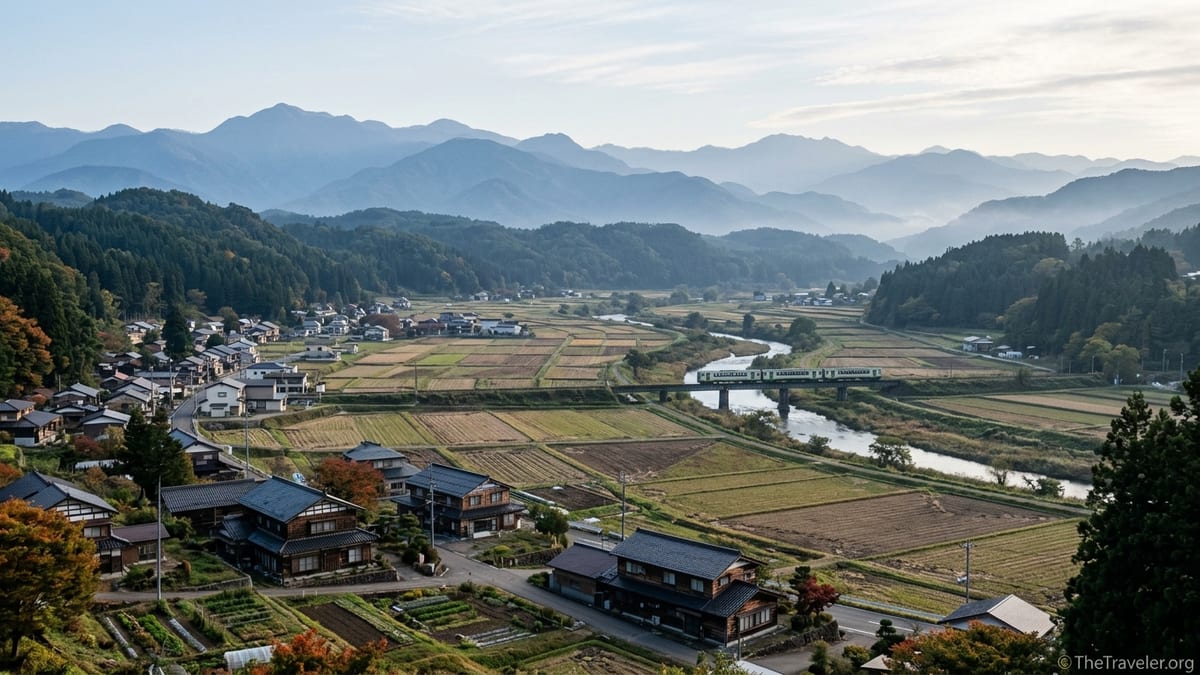
Traveling through Tohoku, the first difference most visitors notice is space. Instead of dense cityscapes and neon, long stretches of rice paddies, apple orchards, and distant mountain ranges fill the Shinkansen windows. Even the main cities such as Sendai, Morioka, and Aomori feel more relaxed than Tokyo or Osaka, with wider streets, shorter buildings, and an easy walk from the station to central neighborhoods.
The tempo of travel is different as well. Trains and buses are reliable, but they may run only once or twice an hour outside the main lines, which naturally encourages slower, more deliberate itineraries. Rather than ticking off a long list of famous sights in a day, you might spend an afternoon soaking in a riverside onsen, or linger over a kaiseki dinner in a ryokan, then wake up early to walk a quiet gorge or temple trail.
Culturally, Tohoku retains strong local traditions. Summer festivals like Aomori Nebuta, Akita Kanto, and Sendai Tanabata dominate city calendars, and rural areas still observe folk rituals that have disappeared elsewhere. Many towns are proud of a single specialty, such as Morioka’s three styles of noodles, Yamagata’s chilled ramen in summer, or Aomori’s apples and garlic. English is less commonly spoken once you leave the main stations, but locals are generally patient and helpful, especially if you try a few words of Japanese.
Finally, Tohoku’s climate shapes travel more sharply than in the Tokyo–Kyoto belt. Winters are longer and snowier, summers milder and often less humid. In January, snow can pile several meters deep around ski areas in Yamagata and Akita, while in early May cherry blossoms may still be blooming around Hirosaki Castle long after Tokyo’s petals have fallen. Planning here always starts with season and weather.
Understanding Tohoku’s Geography and the Shinkansen Spine
Tohoku covers the entire northern end of Japan’s main island of Honshu, stretching roughly 400 kilometers from Fukushima in the south to Aomori in the north. On the Pacific side lie Fukushima, Miyagi, and Iwate, where coastal plains and the Sanriku shoreline alternate with mountains. On the Sea of Japan side, Yamagata and Akita front the coast, with long valleys and rice-growing basins. Aomori caps the region with peninsulas, deep forests, and the gateway to Hokkaido.
The Tohoku Shinkansen is the region’s main transport backbone. Trains run from Tokyo to Shin Aomori in just under three hours on the fastest Hayabusa services, with major stops at Fukushima, Sendai, Morioka, and other hubs along the way. From Tokyo to Sendai is about 90 minutes, while Tokyo to Morioka usually takes around two hours. These times mean that even a short trip from Tokyo can comfortably reach deep into Tohoku without domestic flights.
A handful of branch lines connect to the main Shinkansen spine. The Akita Shinkansen veers off at Morioka and continues toward Kakunodate and Akita. From Fukushima and Yamagata, the Yamagata Shinkansen brings travelers into the mountains near Zao and onward to Yamagata city. These through-running services use smaller Shinkansen sets that share track with local trains in places, which is why they can reach compact towns like Kakunodate directly from Tokyo with a single seat.
For most visitors, this network means that choosing a few Shinkansen hubs as bases works well. Sendai is ideal for exploring Matsushima and Yamadera, Morioka for Hiraizumi and parts of Iwate and Akita, and Aomori or Hachinohe for Hirosaki and the Oirase area. From these cities, you fan out by local train, bus, or rental car for day trips or short overnights.
When Trains Are Enough and When You Need Buses or a Car
Between major cities, trains will cover nearly everything you need. For example, you can ride the Hayabusa from Tokyo to Sendai, transfer to a local JR Senseki Line train, and step off at Matsushima Kaigan Station near the bay. Similarly, Morioka connects by rail to Hiraizumi on the Tohoku Main Line and to Lake Tazawa and Kakunodate via the Tazawako Line. Yamadera sits directly on the Senzan Line between Sendai and Yamagata, making it a straightforward day trip by train.
Buses come into play as soon as you head into deeper countryside. Oirase Gorge, one of Tohoku’s signature nature walks, is reached by bus along the lakeshore between Aomori or Hachinohe and Lake Towada. In winter, special ski buses shuttle visitors from Yamagata city or Yamagata Shinkansen stations up to Zao Onsen’s ski slopes and snow monster viewpoints. Ginzan Onsen, the photogenic hot spring town in a narrow valley, requires a local bus or taxi for the last stretch from its nearest train station.
A rental car can be transformative if you want to link several rural spots in a short time or travel in shoulder seasons when bus frequencies are thinner. For example, combining the Oga Peninsula, Lake Tazawa, and Kakunodate over two days from Akita is far easier with a car than by juggling local buses. In Aomori, driving lets you combine Hirosaki, Oirase Gorge, and hidden onsen like Sukayu or Asamushi at your own pace, though winter driving requires experience with snow and ice and a car equipped with proper winter tires.
Costs are relatively predictable. A basic compact rental car in Tohoku might start around the equivalent of 60 to 80 US dollars per day excluding fuel and tolls, with companies like Toyota Rent a Car, Nissan Rent a Car, and Times Car Rental present in major cities. Expressway tolls can add up quickly, so factor them into your budget. If you prefer trains, a regional JR East rail pass that covers Tohoku and sometimes southern Hokkaido can pay off if you plan several long Shinkansen hops over five or more days.
Key Gateways and Characterful Towns
Sendai, Tohoku’s largest city, is the region’s natural entry point and a comfortable first stop. The station area is dense with hotels covering everything from business chains to higher-end properties, and it is easy to find a midrange room for roughly 80 to 150 US dollars per night outside festival peaks. In the evening, wander from the station to Kokubuncho’s backstreets for grilled beef tongue, zunda sweets made from sweetened edamame, and local sake, then plan day trips to nearby Matsushima Bay or the temple town of Yamadera.
Matsushima, a short train ride from Sendai, is known for its pine-covered islets and has long been counted as one of Japan’s classic scenic views. Instead of treating it as a checklist item, consider arriving mid-morning, taking a bay cruise, visiting one or two of the nearby temples, and staying for sunset when the light drops behind the islands. Simple guesthouses and small hotels near the shore make it possible to turn Matsushima into a lingering coastal stop, especially pleasant in spring and early autumn.
Inland, Hiraizumi in Iwate prefecture offers a compact introduction to Tohoku’s historic side. Once a powerful Buddhist center, the town is now a quiet place of rice fields and low hills where you can walk between temple complexes like Chusonji and Motsuji. Staying overnight in nearby Morioka allows you to visit Hiraizumi as a half-day trip, then spend the evening sampling the city’s famous noodle dishes such as wanko soba or reimen in local restaurants near the station.
Further north, Aomori serves as the rail terminus for the Tohoku Shinkansen and gateway to the Oirase and Hakkoda mountains. The city itself has a compact waterfront area with museums focused on Nebuta festival floats and local art, and in winter it runs special events like winter Nebuta parades. An hour away by local or limited express train, Hirosaki is renowned for its surviving castle structures and cherry blossoms that usually reach full bloom in late April or early May, attracting domestic visitors with food stalls, boat rentals in the moats, and nighttime illuminations.
Onsen, Nature, and Rural Atmosphere
One of Tohoku’s greatest pleasures is its abundance of hot springs, ranging from rustic wooden inns to polished resort hotels. Ginzan Onsen in Yamagata is among the best known, with a short row of traditional ryokan lining a steamy stream, gas-style lamps lit at night, and wooden bridges connecting bathhouses. Staying in one of these ryokan usually includes dinner and breakfast, with prices that often start around 200 to 300 US dollars per person in peak seasons, but day visitors can sometimes use communal baths at more modest rates.
Elsewhere, the onsen experience can be quieter and more affordable. Around Zao Onsen, dozens of small inns offer simple tatami rooms and access to sulfurous outdoor baths that overlook snow-covered slopes in winter and lush forests in summer. Many charge the equivalent of 80 to 150 US dollars per person including two meals, and it is common to see skiers soaking in the same steaming pools as families and older couples. In Aomori, remote onsen like Sukayu sit deep in the Hakkoda mountains, where mixed-gender wooden baths and heavy winter snow give a sense of stepping back in time.
Nature in Tohoku often feels close even when you are based in a city. From Sendai, the train to Yamadera climbs gradually into the hills, and within an hour you are at the base of a steep staircase lined with small shrines, climbing through cedar trees toward temple halls clinging to cliffs. At Oirase Gorge, the entire day can slip by on the riverside path between small waterfalls and mossy rocks, with a bus at either end to return you to your accommodation around Lake Towada or back to Aomori.
Smaller towns like Kakunodate and Aizuwakamatsu also offer a dose of rural atmosphere without abandoning comfort. Kakunodate in Akita has preserved streets of dark wooden samurai residences, which are particularly beautiful during late April when cherry trees arch in pale pink over the riverbank. Aizuwakamatsu in Fukushima combines a reconstructed castle, samurai school, and sake breweries with access to nearby onsen towns, making it a strong base for travelers who want history, hot springs, and countryside scenery all within an hour of each other.
Winter, Skiing, and Snow Country Experiences
Winter in Tohoku is long and snowy, and that is part of its appeal. Ski areas in Zao, Appi Kogen, and Hakkoda draw Japanese families and powder seekers who want reliable snow without the heavy crowds of more famous resorts like Niseko. At Zao Onsen on the Yamagata side, cable cars and chairlifts bring visitors up to ridges lined with wind-formed “snow monsters,” trees encased in rime ice that glow eerily under night illuminations. The combination of daytime skiing and evening onsen makes Zao an excellent choice for travelers who want a full winter resort experience.
Further north, Appi Kogen in Iwate offers long groomed runs and modern hotels that appeal to intermediate and advanced skiers. Buses connect Appi with Morioka Station, so the resort is reachable in a single day from Tokyo by Shinkansen plus bus, though many visitors stay two or three nights to justify the journey. In Aomori’s Hakkoda area, lift-accessed backcountry terrain attracts more experienced skiers and snowboarders with avalanche training, and local operators offer guided tours for those who want to explore safely.
Winter also amplifies the charm of non-skiing destinations. Ginzan Onsen under a fresh snowfall, with icicles hanging from wooden balconies and steam rising from the river, feels entirely different from a summer visit. At Oirase, winter walking routes and snowshoe tours replace the green hiking paths, and facilities like Oirase Snow Park add sledding and snow tubing for families. In Aomori and Akita, snow festivals and ice lantern events brighten dark evenings, with stalls selling hot amazake, grilled skewers, and local specialties.
Travelers should prepare seriously for winter conditions. Overnight temperatures can drop well below freezing throughout Tohoku, especially in inland basins and mountain areas. Trains usually run on schedule, but buses may be slower in heavy snow and rural roads require winter tires. If you plan to drive, choose a rental that clearly states it is equipped for winter, allow generous time between destinations, and always check local weather reports before setting out.
Festivals, Food, and Cultural Highlights
Tohoku is famous across Japan for its festivals, particularly in summer. Aomori’s Nebuta Festival sends giant illuminated floats through the streets each evening in early August, accompanied by taiko drums and dancers in straw hats. Nearby cities like Hirosaki and Goshogawara host their own variations on the theme, and accommodations in and around Aomori often book out months in advance during this period. In Akita city, performers balance long bamboo poles strung with lanterns on their hands, foreheads, and hips during the Kanto Festival, turning the main streets into moving rivers of light.
In Miyagi, Sendai Tanabata covers shopping arcades with enormous paper streamers in early August, and the night before the official start is usually marked by a large fireworks display along the Hirose River. Yamagata city’s Hanagasa Festival features dancers parading in yukata and straw hats decorated with artificial flowers, while in Fukushima’s Aizuwakamatsu, the Aizu Festival in late September brings costumed processions and events around the castle. If you want to combine several of these, basing yourself in a hub like Morioka or Sendai and using Shinkansen and limited express trains can work, but be prepared for crowded trains and premium hotel prices.
Food is another strong reason to head north. In Aomori, apple-based sweets, hearty garlic-infused dishes, and fresh scallops appear on many menus, while along the Sanriku Coast in Miyagi and Iwate, local izakaya serve rich seafood rice bowls and seasonal oysters. Morioka is known for three noodle specialties: wanko soba, where small bowls of noodles are refilled rapidly until you surrender; reimen, a cold chewy noodle dish influenced by Korean cuisine; and jajamen, thick noodles with a savory miso-based topping. In Yamagata and Fukushima, simple countryside fare like simmered taro stew and local sake at small bars can be a memorable highlight on a cold night.
Historic and cultural sites are scattered throughout the region rather than concentrated in a single city. Hirosaki’s former castle grounds, with their moats and surviving turret, tell the story of feudal Aomori. Hiraizumi’s temple complexes recall a time when this area rivaled Kyoto in spiritual importance. Aizuwakamatsu’s castle and samurai school explore the late samurai era. Even smaller stops like Yamadera, with its mountain-top temple halls and sweeping views, can feel like the emotional center of a trip when visited early in the morning before day-trippers arrive.
Because English explanations may be limited in rural museums and temples, simple preparation goes a long way. Downloading offline translation apps, carrying some cash for small admission fees, and printing or saving Japanese names of destinations can ease navigation. In many places, staff are accustomed to independent travelers using rail passes, and ticket offices at larger stations can help you plan onward journeys even if you do not speak much Japanese.
How to Match Destinations to Season and Travel Style
The best way to choose where to go in Tohoku is to start with your season and interests, then layer in logistics. In spring, Hirosaki and Kakunodate are premier cherry blossom destinations once Tokyo and Kyoto have finished their bloom. A typical early May itinerary might combine a night in Hirosaki for castle blossoms and local cider, followed by a Shinkansen or Akita Shinkansen ride to Kakunodate for samurai streets under flowering trees, then onward to Lake Tazawa for lakeside cycling or onsen.
Summer favors coastal breezes and festivals. Travelers who dislike extreme heat often appreciate that northern Tohoku is a few degrees cooler than Tokyo, especially in the evenings. A summer route could start in Sendai, visit Matsushima and Yamadera, then continue to Morioka and Aomori for festivals if dates line up. If you prefer quieter experiences, the same months work well for hiking on the Sanriku Coast, paddling on Lake Towada, or exploring rural Yamagata and Fukushima valleys.
Autumn is perhaps the most flexible season, with colorful foliage in the mountains and comfortable daytime temperatures. Oirase Gorge, Zao, and the hills around Hiraizumi and Aizuwakamatsu are particularly beautiful from mid October into early November, though timing shifts slightly each year. During this season, a rental car can extend your reach to lesser-known trailheads and viewpoints, but even without one you can base in hubs like Sendai, Morioka, or Aomori and use seasonal buses to reach popular foliage spots.
Winter belongs to snow lovers and onsen fans. If skiing or snowboarding is the priority, choose a resort base like Zao Onsen or Appi Kogen and add a city or onsen town at either end of your trip. If you mainly want snow country atmosphere, a combination of Sendai, Zao, Ginzan Onsen, and Aizuwakamatsu offers varied experiences within manageable travel times. In all seasons, try to design your route so that long Shinkansen segments alternate with shorter local legs, keeping individual travel days around three to four hours of movement.
The Takeaway
Tohoku rewards travelers willing to trade speed and famous name recognition for space, seasons, and everyday Japanese life. The Shinkansen makes it remarkably accessible from Tokyo, yet once you step off in Sendai, Morioka, or Aomori, the mood shifts from metropolitan rush to a more measured, countryside pace. Destinations like Matsushima, Hiraizumi, Kakunodate, Lake Tazawa, Ginzan Onsen, Yamadera, Zao, Aizuwakamatsu, Hirosaki, and Oirase each show a different facet of the region, from coastlines and temples to castle towns and deep forests.
For first-time visitors, the key is to resist the temptation to see everything. Choose one or two hubs, align them with your season and interests onsen, nature, culture, skiing, or festivals and allow a few days in each rather than racing through. Use the Shinkansen as your main spine, add buses or a rental car only where it meaningfully opens up rural areas, and accept that part of Tohoku’s charm lies in the quiet moments between well-known sights. With that mindset, a first trip north can feel as rich and memorable as any journey along the classic Tokyo–Kyoto corridor, and perhaps more personal.
FAQ
Q1. Is Tohoku suitable for a first trip to Japan, or should I see Tokyo and Kyoto first?
Tohoku works well even on a first visit if you are comfortable with a bit more independent travel. Many travelers spend several days in Tokyo, then add a Tohoku segment by Shinkansen instead of or in addition to Kyoto, especially if they value nature, onsen, and quieter cities over famous urban sights.
Q2. How many days do I need to see Tohoku properly?
With three to four days you can visit one hub like Sendai or Aomori and take a couple of day trips. A week allows two bases, such as Sendai plus Aomori or Morioka. Two weeks gives enough time to layer in rural stays like Ginzan Onsen or Aizuwakamatsu without feeling rushed.
Q3. Do I need a Japan Rail Pass or a regional pass for Tohoku?
A regional JR East pass that covers Tohoku often makes sense if you plan multiple Shinkansen trips over several days, such as Tokyo to Sendai, then Morioka and Aomori. If you are only taking one or two long rides, individual tickets may be cheaper. Compare the pass price with the total of your planned Shinkansen fares before deciding.
Q4. Is it safe and practical to drive in Tohoku as a visitor?
Driving is generally safe if you have an appropriate international driving permit and are comfortable with left side traffic. Roads are well maintained and signage often includes roman letters on major routes. Winter conditions can be severe in inland and northern areas, so first time visitors who are not used to snow may prefer trains and buses during that season.
Q5. Which city is the best base for first-time visitors to Tohoku?
Sendai is often the easiest base thanks to frequent Shinkansen services, a wide choice of hotels and restaurants, and straightforward day trips to Matsushima and Yamadera. Morioka works well for travelers heading to Hiraizumi, Lake Tazawa, and Kakunodate, while Aomori or Hirosaki appeal to those focused on Oirase Gorge and northern nature.
Q6. When is the best time to visit Tohoku for cherry blossoms?
Cherry blossom timing varies by year, but many Tohoku spots bloom from mid April into early May, later than Tokyo and Kyoto. Hirosaki Castle, Kakunodate, and the riversides in cities like Kitakami are classic viewing areas that often reach their peak in late April or around the Golden Week holidays.
Q7. Can I visit major Tohoku sights like Ginzan Onsen and Oirase Gorge without a car?
Yes, both can be reached by a combination of train and bus, though schedules require more planning than in big cities. For Ginzan Onsen you usually take a train to a nearby station in Yamagata prefecture, then a local bus or taxi up the valley. For Oirase, buses run along the gorge between Aomori or Hachinohe and Lake Towada, with stops near popular trailheads.
Q8. Are Tohoku’s onsen suitable for travelers with tattoos?
Policies vary by facility. Some traditional ryokan and public baths may restrict large or visible tattoos, while others are more relaxed or offer private baths that can be reserved by the hour. If tattoos are a concern, check ahead, choose accommodations with private onsen options, or look for more modern hotels that state they welcome tattooed guests.
Q9. How expensive is Tohoku compared with Tokyo and Kyoto?
In general, everyday costs such as midrange hotels, casual meals, and local transport are slightly lower than in Tokyo or Kyoto. A simple lunch might cost the equivalent of 7 to 12 US dollars, and business hotels near stations often price below similar properties in major metropolitan areas. High season events like summer festivals can push prices up, so booking early helps.
Q10. Is English widely spoken in Tohoku’s rural areas?
English is commonly used in major stations, hotels, and tourist information centers, but it is less frequent in small shops, local buses, and rural inns. Most travelers manage with a mix of simple phrases, translation apps, and gestures. Carrying written addresses in Japanese and checking bus times in advance will make rural travel smoother.